
Sleep Help | Fall Asleep Faster | Deep Sleep Hints & Tips
-

Mandibular Advancement Devices Explained: Do Jaw Splints Help Snoring and Sleep Apnoea?
A plain-English look at mandibular advancement devices - what they are, how they ease snoring and mild sleep apnoea, and where they fit alongside nasal strips, mouth tape and CPAP. -

Why Do We Dream? The Science Behind Your Nightly Stories
Dreams can be strange, vivid or forgotten by breakfast. Here is what the science says about why we dream, when it happens and what it might be for. -

Sleep and Memory: How a Good Night Locks In What You Learn
How your brain turns the day's learning into lasting memory while you sleep, and simple ways to give your memory the nights it needs. -

Sleep Deprivation: The Signs, the Effects, and How to Recover
What sleep deprivation actually does to you - the signs to watch for, the short and long-term effects, the truth about sleep debt, and how to recover properly. -

Sleep and Weight: How Rest Shapes Your Appetite and Metabolism
Short sleep quietly nudges your hunger hormones, cravings and metabolism. Here is how rest shapes your weight, and the simple habits that actually help. -

Why Can't I Sleep? The Most Common Causes, and How to Fix Yours
A calm, practical run through the most common reasons people cannot sleep - and how to work out which one is yours so you can fix the right thing. -

The Ideal Bedroom Setup for Better Sleep
A simple, room-by-room guide to the light, temperature, sound, air and clutter changes that make your bedroom do the hard work of helping you sleep. -

Why You Wake Up Tired Even After 8 Hours of Sleep
If you sleep a full night and still wake up exhausted, the problem is usually sleep quality, not quantity. Here are the real reasons and what to do about them. -

Best Sleep Sounds to Fall Asleep To (and Why They Work)
White noise, rain, a fan, the sea - the right sound can quiet a racing mind and mask the noises that keep you up. Here is what works, and how to use it without disturbing anyone. -

Hay Fever and Sleep: How to Stop Pollen Wrecking Your Nights
Why hay fever ruins your sleep and how to fix it - keeping the nasal airway open, rinsing pollen away, timing your antihistamine, and the bedtime habits that stop pollen fragmenting your nights. -

How to Nap the Right Way (Without Wrecking Your Night)
A short, honest guide to napping so it leaves you sharper by day without stealing from your sleep at night. -

Sleep and Your Immune System: Why Rest Is Your Best Defence
How a good night's sleep quietly strengthens your immune system, and what happens to your defences when you skimp on rest. -

Sleep Meditation: A Simple Guide to Drifting Off
You cannot force sleep - but you can create the calm that lets it arrive. Sleep meditation is one of the most reliable ways to quiet a racing mind at bedtime. Here is how to start. -

Shift Work and Sleep: How to Sleep Well When You Work Nights
Sleeping in daylight while the world is awake is one of the hardest asks there is. Here is how to protect your sleep when your shifts fight your body clock. -

Walking and Sleep: Why a Daily Walk Is One of the Simplest Sleep Fixes
No kit, no gym, no cost - and yet a daily walk is one of the most reliable ways to sleep better. Here is why it works, and how to get the most from it. -

Sleep Music: Does It Actually Work, and What Should You Play?
The right music genuinely slows your heart rate and calms your mind for sleep - and the wrong music keeps you up. Here is what to play, and how to listen without disturbing anyone. -

Sauna, Cold Plunge and Sleep: How Temperature Training Builds Deeper Nights
Heat then cold is everywhere right now - and the timing is everything for sleep. Here is what a sauna and a cold plunge actually do to your nights, and when each one helps or hurts. -

How to Sleep in Hot Weather: A UK Summer Survival Guide
When the bedroom will not cool down, sleep falls apart. Here is why heat wrecks your nights - and the practical fixes that actually work. -

Swimming and Sleep: How Water and Breath Build Better Nights
A long swim is one of the most reliable ways to sleep deeply that night - cooler core, calmer breath, properly tired. Here's how to make the most of it. -

The Best Sleeping Position: What the Evidence Actually Says
Side, back, or front? Your sleeping position affects snoring, breathing, back pain, and how refreshed you wake. Here is what actually works, and how to change position if you need to.
-

Menopause and Sleep: Why It Gets Harder, and What Actually Helps
Sleep is one of the first things menopause disrupts - and one of the least talked about. Here's why perimenopause and menopause wreck your nights, and what actually helps.
-

Yoga and Sleep: How Your Practice Becomes Deeper Sleep
Yoga is one of the most reliable ways to sleep better - but the wrong practice at the wrong time can leave you wired. Here's how to use your mat to genuinely sleep deeper.
-

Travel and Sleep: How to Beat Jet Lag and Sleep Well Anywhere
Travel wrecks your sleep in predictable ways - and almost all of it is preventable. Here's how to beat jet lag and sleep well on the plane, in the hotel, and back home.
-

Strength Training and Sleep: Why You Build Muscle in Bed, Not the Gym
Lift hard and sleep badly and you leave gains on the table. Strength training and sleep are one loop - here's how to get both working for you.
-

Running and Sleep: Why They're the Same Problem (and How to Fix Both)
Train hard and sleep badly, sleep badly and run worse - running and sleep are one loop. Here's how to fix both halves at once.
-

Obstructive Sleep Apnoea: Symptoms, Risks, and How to Get Tested in the UK
OSA is one of the most common and most underdiagnosed sleep conditions in the UK. Here is what it is, how to recognise it, and how to get tested. -

Nose Breathing vs Mouth Breathing During Sleep: Why It Matters More Than You Think
Most people have no idea they are breathing through their mouth all night. Here is what that is doing to your sleep, and what you can do about it. -

DreamPod vs Sleep Earphones: Which Is Better for Bedtime Listening?
Sleep earphones seem like the obvious choice - until you try sleeping in them. Here is why a pillow speaker might be the smarter bedtime upgrade. -

Acupressure for Better Sleep: What It Is, How It Works, and Why It's Worth Trying
Acupressure has a surprisingly solid evidence base for improving sleep -- and you don't need a practitioner or a prescription. Here's what the science says, the key pressure points to know, and how an acupressure mat fits into your nightly routine.
-

7 Sleep Gadgets That Actually Work
There's no shortage of sleep products making big promises. But most of them solve problems you don't have, or solve real problems badly. These seven are different, each one has a clear, specific job to do, and does it well.
-

How to Fall Asleep Faster: What the Science Actually Says
Most advice about falling asleep faster is either obvious or nonsense. Here's what the research actually supports - and why some of the popular tips are a waste of your time. -

How to Stop Snoring: What Actually Works
Most snoring fixes are gimmicks. This is a straight guide to what actually causes snoring and which solutions have real evidence behind them. -

Why Do I Wake Up at 3am Every Night?
Waking at 3am is normal biology plus something making it worse. Here are the five causes, and the order to fix them in.


Shop More Sleep Products
We think these products will help you fall asleep faster and stay asleep longer...
-
-
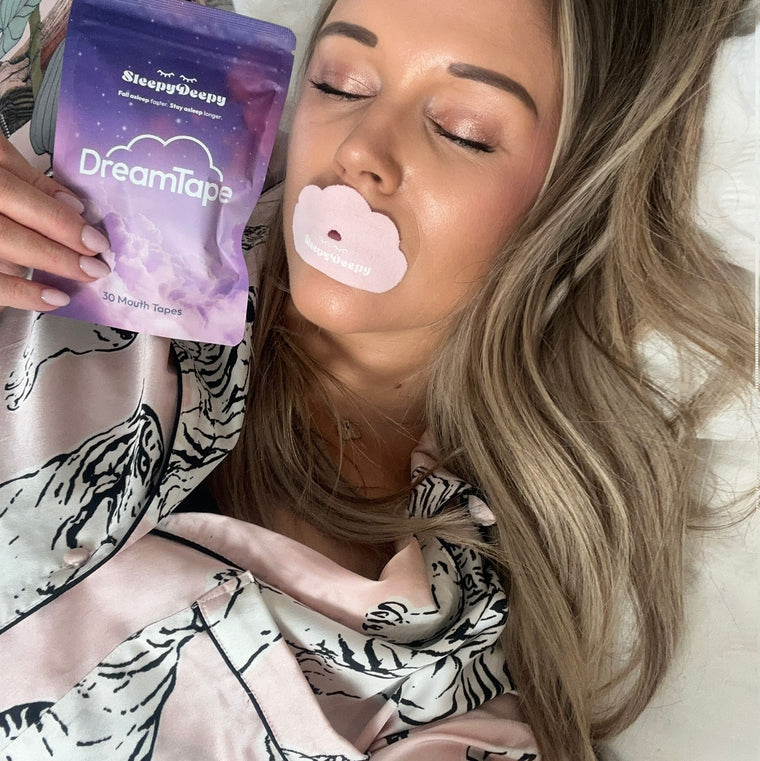
DreamTape Mouth Tape - Dreamy Pink
Regular price
£12.99Sale price £9.99“Love this product. Can’t sleep comfortably without it.”
View Product
-
DreamTape Mouth Tape - Midnight Black
Regular price
£12.99Sale price £9.99“Stays on all night and feels comfortable.”
View Product
-
DreamFlow Nasal Strips - Midnight Black
Regular price
£12.99Sale price £9.99“Has literally stopped my snoring!”
View Product
-
DreamPod Pillow Speaker - Moonlit Grey
Regular price
£38.99Sale price £28.99“We enjoy listening peacefully before going off to sleep.”
View Product
-
DreamPad Knee Pillow
Regular price
£19.99Sale price £17.99“Helped me sleep and reduced my back and knee pain.”
View Product
-
DreamPod Pillow Speaker - Dreamy Pink
Regular price
£38.99Sale price £28.99“My wife loves hers. A fantastic product.”
View Product
-
DreamFlow Nasal Strips - Dreamy Pink
Regular price
£12.99Sale price £9.99“I can breathe clearly - makes such a difference at night.”
View Product
-
DreamMask Blackout Sleep Mask - Black
Regular price
£28.99Sale price £24.99“Literally like being in a cave. Complete blackout.”
View Product


