Travel is supposed to be exciting. New places, new experiences, a break from routine.
But for a lot of people, it comes with a frustrating trade-off: you’re exhausted… and still can’t sleep.
You lie in a hotel bed, tired from the day, but your brain won’t switch off. The room feels unfamiliar. Every sound is noticeable. You wake up multiple times, and somehow feel worse the next morning than when you arrived.
If this sounds familiar, you’re not alone, and more importantly, you’re not the problem.
Your environment is.

Why Travel Disrupts Your Sleep (Even When You’re Tired)
Most people assume poor sleep while travelling is just part of the experience. But there’s a deeper reason behind it.
Your body relies on consistent signals to know when it’s time to sleep:
- Familiar surroundings
- Predictable lighting
- Recognisable sounds
- A repeatable night-time routine
When you travel, all of those signals disappear at once.
This triggers what researchers often call the “first-night effect”, a state where your brain stays partially alert in unfamiliar environments. It’s a built-in safety mechanism, but it comes at the cost of deep, restorative sleep.
So even if your body is tired, your nervous system is still on edge.
That’s why typical advice like “just relax” or “go to bed earlier” rarely works.
The Real Fix: Recreate Your Sleep Signals Anywhere
People who sleep well while travelling don’t rely on perfect conditions.
They rely on portable consistency.
Instead of trying to control everything (which is impossible), they focus on recreating a few key signals that tell the body:
“It’s safe. It’s time to wind down.”
Think of it less like “hacking sleep” and more like bringing your routine with you.
The Travel Sleep Reset (A Simple System That Works)
If you want to sleep better while travelling, focus on three things:
1. Control What You Can (Light + Sound)
Hotel rooms are unpredictable.
Some are too bright. Others are too quiet, or too noisy in the wrong way. Both can disrupt your ability to fall asleep and stay asleep.
Simple adjustments can make a big difference:
- Use an eye mask to block inconsistent lighting
- Add steady background sound to reduce sudden disturbances
- Avoid relying on complete silence (it often makes small noises feel louder)
Consistency matters more than perfection here.
2. Downshift Your Nervous System
Travel days are stimulating. New environments, schedules, and interactions keep your brain active longer than usual.
That means your body doesn’t automatically “power down” when you get into bed.
You need a deliberate transition.
This can look like:
- Light stretching or a short walk
- Limiting screens 30–60 minutes before bed
- A calming, repeatable wind-down ritual
The goal isn’t to force sleep, it’s to signal safety and relaxation.
3. Create a Repeatable Sleep Cue
This is the most overlooked (and often most powerful) part of sleeping well while travelling.
Your body learns through association. When you repeat the same cue night after night, your brain starts to treat it as a signal: this is what happens right before sleep.
At home, that conditioning happens almost accidentally, your familiar room, your usual lighting, even the small rituals you do without thinking all become part of the pattern.
When you travel, those built-in cues disappear. That’s why it helps to bring one consistent “anchor” with you, something you can repeat anywhere, even when everything else feels unfamiliar.
For some people, that anchor is a specific sound: the same white noise track, a particular sleep story, or a calming playlist they only use at bedtime.
For others, it’s a short routine, washing up, a few minutes of stretching, a page or two of reading, done in the same order each night.
And for many, it’s a consistent, non-melatonin sleep support that feels predictable and gentle, helping the body ease into rest without leaving them feeling heavy, groggy, or off the next morning.

What to Pack: Your Travel Sleep Kit
If you want better sleep on trips, don’t leave it to chance. Build a simple, reliable system you can use anywhere.
Here’s what that looks like:
- Light control: Eye mask or blackout solution
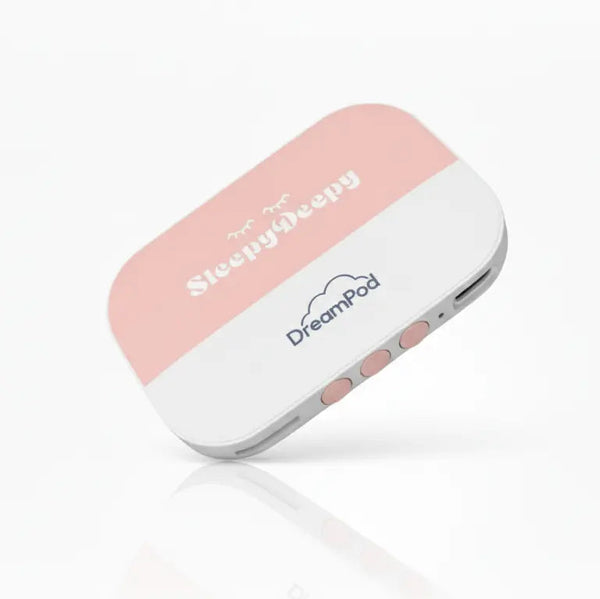
- Sound consistency: White or brown noise (app or device)
- Wind-down ritual: Something that helps you mentally shift out of “go mode”
- Sleep anchor: A consistent, non-melatonin option that supports relaxation and signals your body it’s time to rest
This last piece matters more than most people realise.
When your environment changes, your body looks for something familiar to hold on to.
That’s why many people find that having a dependable, non-melatonin sleep aid as part of their routine can make a noticeable difference, especially when everything else feels different.
A Better Way to Think About Sleep While Travelling
Most people approach travel sleep like a battle: fix the room, fix the noise, fix the temperature, then maybe you’ll sleep.
Or they do the opposite and hope exhaustion will eventually knock them out.
But your body doesn’t fall asleep because everything is perfect. It falls asleep because it feels safe and familiar.
That’s why the goal isn’t controlling every variable. The goal is recreating a few reliable signals your nervous system recognises, the same wind-down, the same sleep cue, the same basic setup, so your brain stops scanning for what’s different and starts settling into what it knows.
When you give your body that kind of repeatable “this is bedtime” pattern, you remove the guesswork. Even in a new place, you create a small pocket of familiarity.
And that’s often what finally allows your system to exhale.

If You Want to Sleep Better on Your Next Trip
Start simple. Keep it repeatable.
You don’t need a brand-new routine for every hotel, time zone, or itinerary. You just need a small sequence you can run anywhere, especially on nights when you’re overstimulated, overtired, or sleeping somewhere unfamiliar.
Aim for three things:
- Control the basics (light + sound)
- Downshift your system (a short wind-down that signals “we’re done”)
- Bring one consistent anchor (your repeatable sleep cue)
Do that, and you’ll stop relying on luck, or exhaustion, to get through the night.
Because when your body knows what to expect, sleep becomes less of a struggle… and more of a default.
Build Your Portable Sleep Routine
If you want one simple rule to remember, it’s this: don’t try to recreate perfect sleep, recreate familiar sleep.
Pick one calming cue you’ll use every night away from home. Keep it consistent. Let it become your signal.
And if it helps to have a supportive tool in that routine, something travel-friendly that makes your sleep cue easier to repeat, choose it for the same reason you’d pack toothpaste: not because it’s exciting, but because it removes friction and keeps your routine steady.
Small, repeatable changes are what make travel sleep feel easier, and once you find your rhythm, you can take it with you anywhere.