
Shop by sleep problem
Stop Snoring
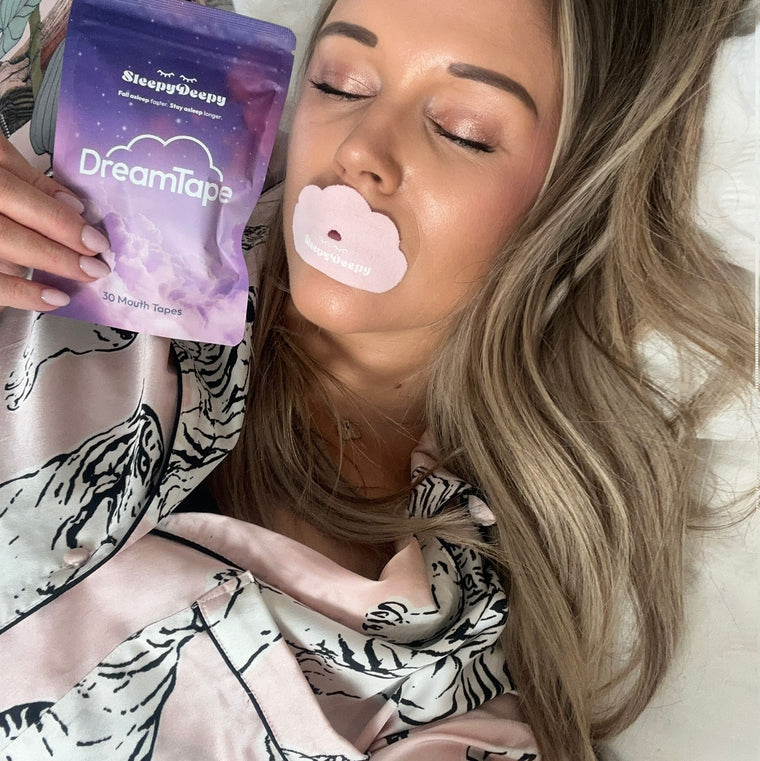
Products designed to reduce and stop snoring - from mouth tape that encourages nasal breathing to nasal strips that open the airway. Drug-free, effective, and ready to use tonight.
If a blocked nose is behind the noise, DreamFlow nasal strips gently lift the sides of the nose to make breathing through it easier.
-
-
DreamTape Mouth Tape - Dreamy Pink
Regular price
£12.99Sale price £9.99“Love this product. Can’t sleep comfortably without it.”
View Product
-
DreamTape Mouth Tape - Midnight Black
Regular price
£12.99Sale price £9.99“Stays on all night and feels comfortable.”
View Product
-
DreamFlow Nasal Strips - Midnight Black
Regular price
£12.99Sale price £9.99“Has literally stopped my snoring!”
View Product
-
DreamFlow Nasal Strips - Dreamy Pink
Regular price
£12.99Sale price £9.99“I can breathe clearly - makes such a difference at night.”
View Product


Filters
Understanding Snoring - and What Actually Helps
Snoring happens when airflow through a partially obstructed airway causes soft tissue to vibrate. That simple mechanism has two very different origins - and understanding which one applies determines what actually works.
Nasal snoring originates from congestion or structural narrowness in the nasal passages. When the nose is blocked, airflow resistance increases and the body switches to mouth breathing - which dries out the throat, increases tissue vibration, and produces the characteristic snoring sound. This is the most common form and the most straightforward to address. Nasal strips gently widen the nasal passage, reducing resistance without medication. Mouth tape keeps the mouth closed and encourages nasal breathing throughout the night. Used together, they address both halves of the problem.
Throat snoring originates from the soft palate and uvula, and is typically associated with excess weight, alcohol consumption, muscle relaxation in deeper sleep, or structural anatomy. It is harder to address with surface interventions and may require lifestyle changes or clinical assessment.
For most people whose snoring is linked to congestion, allergies, or habitual mouth breathing, drug-free interventions are effective and worth trying before anything more involved. If snoring is accompanied by choking, gasping, or significant daytime fatigue, obstructive sleep apnoea should be ruled out by a GP - that is a medical condition requiring clinical treatment, and nasal strips or mouth tape will not address it.
A note on consistency: snoring interventions work best when used every night. A single night of mouth tape will not reset a pattern built over years - a week or two of consistent use typically produces noticeable improvement, both in snoring frequency and in sleep quality for everyone in the room.
Related reading

How to Sleep With a Snoring Partner: What Actually Helps

Mandibular Advancement Devices Explained: Do Jaw Splints Help Snoring and Sleep Apnoea?

Hay Fever and Sleep: How to Stop Pollen Wrecking Your Nights