
If your sleep is unpredictable, it’s tempting to blame stress, screens, or “just being a light sleeper”.
Sometimes those are the main drivers, but food and drink can also quietly influence your sleep. It’s not about having a perfect diet; just that certain choices, especially in the evening, can make it harder for your body to fully unwind.
This guide is here to keep it simple: what to eat more often, what to avoid close to bedtime, and how to build a calm, realistic approach that supports deeper sleep.

It’s Not Just What You Eat, It’s When
A lot of sleep nutrition advice fails because it ignores timing.
Even “healthy” foods can backfire if they’re eaten too late, too heavily, or too close to bedtime. Sleep guidance commonly recommends not eating a big meal late at night, and avoiding stimulants like tea/coffee close to bed.
A helpful rule of thumb:
- Main meal: aim to finish 2–3 hours before bed
- If you’re hungry later: choose a small, simple snack rather than a second full meal
This keeps digestion from becoming the main event when your body is trying to wind down.
What to Avoid for Better Sleep
1) Caffeine too late in the day
Caffeine is sneaky because it doesn’t just “wake you up”, it can also make sleep lighter and more fragmented.
Most guidance advises avoiding tea/coffee (and other caffeine sources) for at least six hours before bed.
Practical tip: If you go to bed around 11pm, consider making 5pm your caffeine cut-off, earlier if you’re sensitive.
Also watch hidden caffeine sources:
- energy drinks
- cola
- some green teas
- chocolate (especially dark chocolate)
- pre-workout supplements
2) A big, heavy meal late at night
A late heavy dinner can keep your body busy digesting when it wants to slow down, and it can make you feel too full to get comfortable.
Research suggests avoiding large meals late at night, as well as limiting sugary snacks in the evening.
If you can’t eat earlier, focus on lighter options:
- smaller portion
- less fat/frying
- more “simple” foods (soup, rice, fish, veg, eggs)
3) Alcohol close to bedtime
Alcohol can feel like it helps at first, but common sleep guidance advises avoiding alcohol close to bedtime because it can disrupt sleep quality.
If alcohol is part of your evening, you’ll usually sleep better if you:
- finish it earlier
- drink water alongside
- keep it light rather than “nightcap” style
4) Sugary snacks late at night
Sugar can create a “wired then tired” pattern. It may not keep everyone awake, but if you notice 2–4am wake-ups or restless sleep after dessert, this is worth experimenting with.
What to Eat for Better Sleep
There’s no single magic food, but there are patterns that tend to support sleep: steady energy, gentle digestion, and nutrients linked to calm.
NHS sleep guidance lists several foods often thought to help sleep (such as bananas, oats, cherries, turkey and dairy), and also emphasises not going to bed hungry while avoiding very large meals.

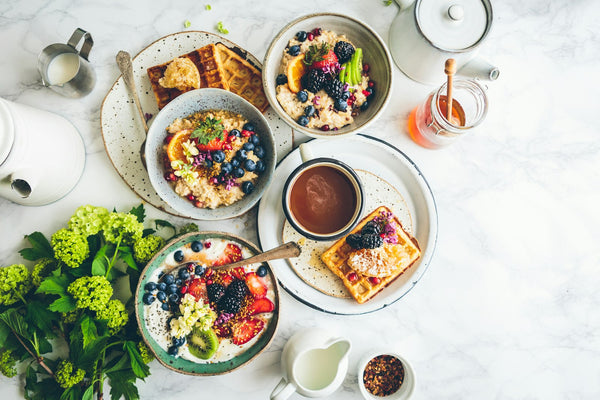
1) A balanced evening meal that doesn’t spike and crash
Think: protein + fibre + slow carbs, not just one big bowl of pasta on its own.
Examples:
- salmon + potatoes + vegetables
- chicken/tofu stir-fry + rice + greens
- lentil soup + wholegrain bread
- eggs + veg + toast
2) Sleep-friendly foods you can build into the day
Instead of chasing “bedtime superfoods”, aim for consistency.
Foods often mentioned in sleep resources include:
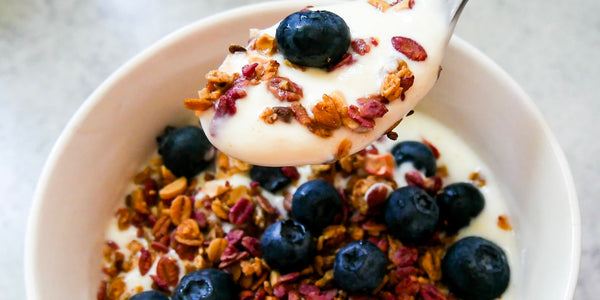
- oats (porridge, overnight oats)
- bananas
- dairy (milk, yoghurt)
- nuts (portion-sized)
- turkey (or other tryptophan-containing proteins)
You don’t need all of these. Pick what you actually enjoy and tolerate well.
3) If you’re hungry before bed: choose a small snack that won’t “rev” you up
Going to bed hungry isn’t always helpful for sleep, but a well-chosen snack can make a difference.
Research suggests that a small, balanced evening snack may help, while still avoiding large meals and sugary foods late at night.
Try one:
- a banana
- a small bowl of porridge
- plain yoghurt
- a glass of milk
- a small handful of nuts
Keep it simple and notice how your sleep responds over a week.
Drinks: What Helps, What Disrupts Sleep
Best choices in the evening
- water (especially if you tend to wake thirsty)
- caffeine-free herbal teas
- warm milk if it suits you
Common disruptors
- caffeine within ~6 hours of bed
- alcohol close to bedtime
- very large amounts of fluid right before sleep (if you’re waking to wee)

A Simple “Sleep Nutrition” Routine You Can Actually Stick To
Here’s a low-effort plan that works for most people:
6 hours before bed
- aim to stop caffeine (or earlier if sensitive)
3 hours before bed
- finish your main meal
- keep it balanced and not too heavy
1 hour before bed
- if hungry, have a small snack (not sugary)
- keep drinks moderate to reduce night wakings
If you want to make the “wind-down” feel more automatic, it can help to pair nutrition timing with one consistent sleep cue (a scent, a calming audio track, or darkness). A light pillow spray can become a simple nightly cue that it’s time to switch off.
FAQs
How long before bed should I stop caffeine?
Most sleep guidance recommends avoiding caffeine for around six hours before bed (including tea and coffee).
Is it bad to eat a big meal late at night?
It can be, most advice includes avoiding a big meal late at night and avoiding massive meals right before bed.
What’s the best bedtime snack?
Something small and simple that doesn’t spike your energy: a banana, oats, dairy, or a small handful of nuts are commonly mentioned in sleep guidance as foods people often find helpful.
The Takeaway
Better sleep doesn’t require a perfect diet. Most of the time, it’s about avoiding the biggest disruptors, getting timing roughly right, and keeping your evenings predictable.
If you want a simple next step, start with just one experiment this week:
- move caffeine earlier, or
- finish dinner a little earlier, or
- swap late sweets for a small, sleep-friendly snack
These changes may seem minor, but they build over time. As your routine becomes more consistent, your body begins to recognise the cues, and settling into sleep can start to feel more natural again.