
If you’re doing “all the right things” for sleep, clean room, decent bedtime, minimal screens, and you still wake up tired, there’s a good chance the culprit isn’t your mattress.
It’s your inputs.
Caffeine and alcohol are two of the most common, most overlooked reasons sleep becomes lighter, shorter, and more broken up than it needs to be.
And the tricky part is this: both can feel like they’re helping, especially in the moment.
Caffeine makes you productive. Alcohol makes you sleepy.
But sleep isn’t just “being unconscious.” It’s cycling through stages, light sleep, deep sleep, REM, in a rhythm your brain needs to recover.
Alcohol is well-known for disrupting that cycle (deep sleep and REM in particular) and increasing fragmentation later in the night.
Caffeine, on the other hand, can still be active in your system long after you stop feeling “wired,” and research shows it can reduce sleep efficiency and total sleep time even when taken earlier in the day.
Let’s break down what’s happening, and what to do about it without turning your life into a wellness spreadsheet.

Why Sleep Can Feel “Off” Even When You’re Getting Enough Hours
Most people assume poor sleep means not enough sleep. In reality, there are two separate problems that often get confused.
- The first is duration, you go to bed too late or wake up too early.
- The second is quality, you sleep for hours, but that sleep is fragmented, light, or missing key stages.
Caffeine and alcohol mainly attack sleep quality and disrupt your circadian rhythm.
You might spend seven or eight hours in bed, but your brain never settles into the deeper, more restorative stages long enough to do its job. That’s why you can wake up feeling heavy-eyed, wired, or unrefreshed even when the clock says you “should” feel fine.
Caffeine: The Productivity Tool That Lingers Into the Night
Caffeine works by blocking adenosine, a chemical that builds up in your brain throughout the day and creates sleep pressure. Adenosine is essentially your body’s way of saying, it’s time to rest.
When you consume caffeine, that signal doesn’t disappear, it just gets quieter.
This is why caffeine can feel helpful during the day, yet still interfere with sleep hours later.
How long does caffeine actually stay in your system?
Caffeine peaks relatively quickly, often within an hour. The bigger issue is how slowly it leaves.
Most sleep education sources cite a caffeine half-life of roughly 3 to 5 hours, meaning that half of what you consumed can still be circulating well into the evening. For some people, especially those who metabolise caffeine more slowly, that window can be even longer.
This is why a “totally fine” early afternoon coffee can still show up at bedtime as difficulty falling asleep, lighter sleep, more nighttime awakenings, or that uncomfortable tired-but-alert feeling.
One well-known study found that caffeine consumed even six hours before bed significantly disrupted sleep duration and quality, despite participants not feeling especially stimulated at bedtime.
Signs caffeine is affecting your sleep (even if you “tolerate it”)
- You feel sleepy at night… but your brain won’t settle
- You get a “second wind” after dinner
- You fall asleep fine, but wake up early and can’t get back down
- You rely on caffeine most mornings to feel normal (not just to feel great)
If a few of these sound familiar, caffeine timing is worth a closer look.
A realistic caffeine cutoff that actually works
A good starting point for most people:
- Last caffeine 8 to 10 hours before bedtime if you’re sensitive
- Last caffeine 6 to 8 hours before bedtime if you’re less sensitive
Sneaky caffeine sources people forget
Many people cut coffee and assume caffeine is no longer an issue, then wonder why sleep still feels light. Tea, matcha, chocolate (especially dark), pre-workout blends, energy drinks, and “focus” supplements often contain enough caffeine to matter, especially later in the day.
Alcohol: The Sedative That Breaks Your Sleep Cycle
Alcohol is one of the most misunderstood sleep aids.
It can help you fall asleep faster because it has sedating effects early in the night. But sedation is not the same thing as restorative sleep. As alcohol is metabolised, its effects shift, often leading to lighter, more disrupted sleep later on.
Large bodies of research describe this pattern clearly: initial drowsiness followed by fragmented sleep, reduced REM, and more awakenings as the night goes on. The Sleep Foundation summarises it simply: alcohol may help you fall asleep, but it disrupts normal sleep architecture.

What alcohol does to sleep stages
Depending on timing and dose, alcohol is associated with:
- Reduced REM sleep (important for mood, learning, emotional processing)
- More fragmented sleep in the second half of the night
- More time in lighter sleep, less “deep recovery”
It’s common for the second half of the night to get choppier as alcohol levels fall and your nervous system rebounds. Needing the loo more often is another knock-on effect, which we cover in waking up to pee at night.
The Caffeine and Alcohol Loop That Keeps People Stuck
For many people, the real issue isn’t caffeine or alcohol alone, it’s the cycle they create together:
- Poor sleep → you wake up exhausted
- Exhaustion → you reach for more caffeine
- More caffeine → your nervous system stays revved later
- Late wired feeling → you have a drink to unwind
- Alcohol → you fall asleep, but your sleep quality drops
- Repeat
What to Do Instead: A Practical Timing Guide
If you want better sleep tonight
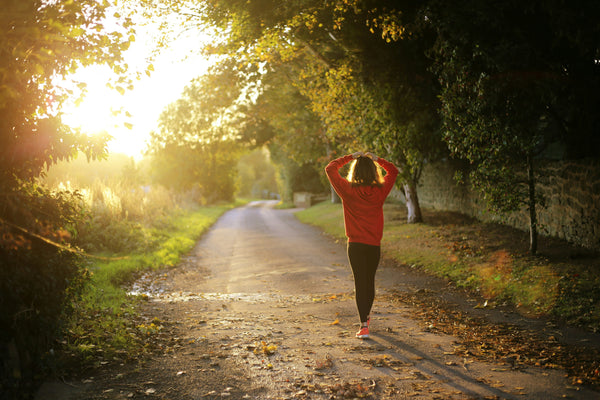
Start with caffeine. Keep it earlier than you think you need. If afternoon fatigue hits, a short walk outside can often restore alertness without adding more stimulation.
If you drink alcohol, aim to finish at least three to four hours before bed. Lighter amounts tend to cause less disruption, and hydration and food can reduce rebound effects later.
If you want better sleep long-term
Try a 7-day experiment (it’s long enough to notice, short enough to actually do):
- Days 1 to 3: Move caffeine earlier (even 60 to 90 minutes earlier helps)
- Days 4 to 5: Reduce total caffeine slightly (don’t go from 300mg to 0 overnight if you hate headaches)
- Days 6 to 7: If you drink, keep it earlier + lighter, or take a full break and compare your sleep
Track just two things: how long it takes to fall asleep and how refreshed you feel in the morning.

Supportive Tools
If caffeine or alcohol is making your sleep lighter, small environmental upgrades can reduce how easily you get pulled awake:
- Sleep mask: if light sensitivity is part of your wake-ups (especially early morning)
- Ear plugs: if your sleep is already fragile and noise wakes you easily
- Pillow spray: if you want a consistent wind-down cue that signals “we’re shutting down now”
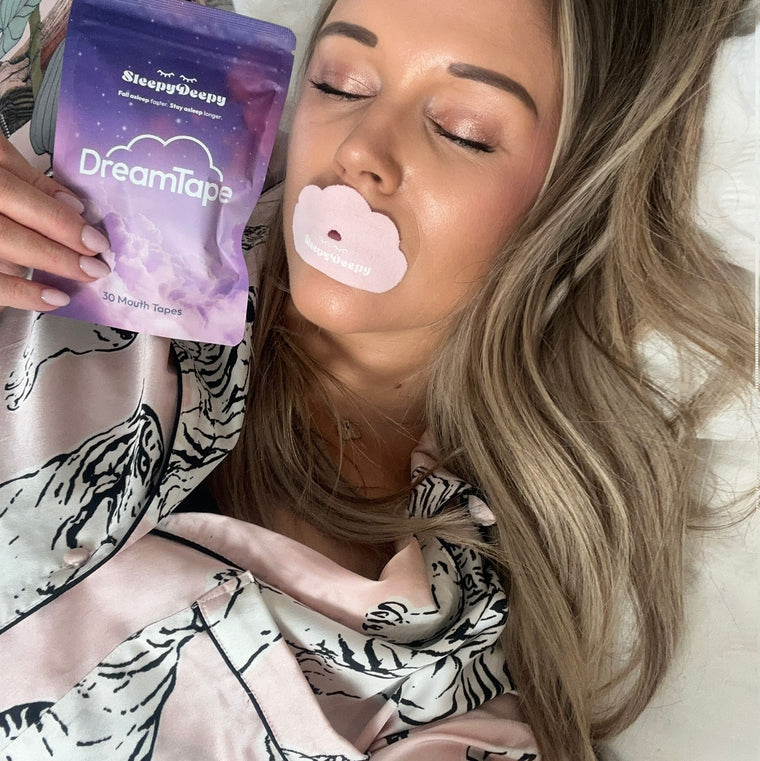
And if alcohol tends to worsen snoring for you, gentle breathing supports like mouth tape can help encourage nasal breathing and reduce disruption, especially on nights you drink.
When It’s Worth Talking to a Professional
If you notice any of these, it’s worth getting support beyond lifestyle tweaks:
- Loud snoring, gasping, or suspected sleep apnoea
- You’re relying on alcohol to fall asleep most nights
- Anxiety or insomnia is escalating
- You’re exhausted despite consistent sleep time
A conversation with your GP or a sleep specialist is the right next step here.
The Takeaway
Caffeine and alcohol don’t just change how you feel. They change your sleep architecture, how deeply you recover, how steady your night is, and how refreshed you feel the next day.
The win isn’t quitting everything forever.
It’s getting strategic: earlier caffeine, earlier alcohol (if any), and fewer friction points that turn light sleep into wake-ups.