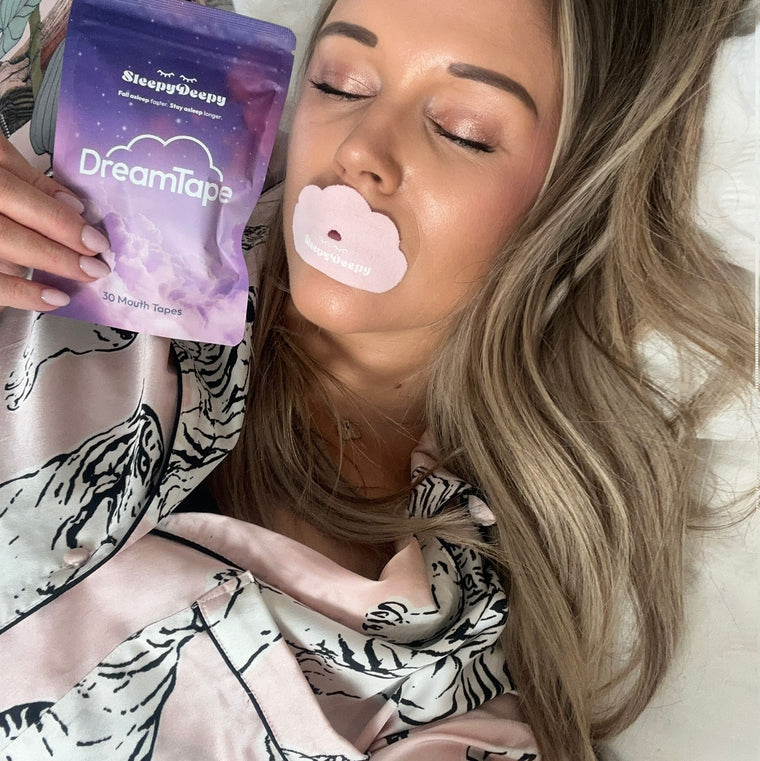

One week you’re sleeping quietly. The next, your partner is nudging you at 2am, your throat feels dry in the morning, and you wake up more tired than you should.
If that shift lines up with pollen, dusty rooms, or the start of hay fever season, there’s a good chance your snoring isn’t “getting worse for no reason”. It’s getting worse because your breathing is working harder at night.
This guide breaks down what’s happening in simple terms, plus the most helpful fixes to try, starting tonight.

Allergy Season Blocks the Nose, and Snoring Gets Louder
Most snoring is vibration. Soft tissue in the airway starts to flutter when airflow becomes turbulent.
During allergy season, your nose is far more likely to be partially blocked or inflamed. That changes the way air moves, often pushing you towards mouth breathing and louder, rougher airflow.
You’re not imagining it. Allergic rhinitis (nasal inflammation triggered by allergens like pollen, dust mites, and mould) is well known for disrupting sleep and worsening breathing at night.
Why Allergies Make Snoring Worse
1) Nasal Congestion Forces Mouth Breathing
When your nose is blocked, your body will prioritise airflow. That usually means your mouth opens in sleep.
Mouth breathing dries the throat and increases the chance that soft tissues will vibrate. It can also make sleep feel lighter and more fragmented, even if you don’t fully wake up.
One simple fix can be clearing your nose before bed (a quick saline rinse or warm shower steam can help), then aiming for gentle nasal support overnight so your mouth is less likely to fall open.
2) Inflammation Narrows the Airway
Allergies don’t just create “mucus”. They create swelling.
Inside the nose, that swelling reduces space for air to pass through comfortably, which increases resistance. The more resistance, the more turbulence, and the louder snoring can become.
3) Postnasal Drip Irritates the Throat
Allergy congestion often comes with postnasal drip, mucus sliding down the back of the throat.
That irritation can make the airway more sensitive and “noisy”, and it can trigger coughing, throat clearing, and micro-awakenings that mess with deep sleep.
4) Night-Time Makes Symptoms Feel Stronger
A lot of people notice allergies feel worse in bed.
That’s partly because lying down changes drainage and can increase the sensation of blockage. It’s also because your bedroom can trap allergens (pollen on hair and bedding, dust in fabrics), so you’re exposed for hours at a time.
How to Tell If It’s “Just Allergies” or Something You Should Check
Seasonal snoring is common. But some signs deserve more attention, especially if you feel tired no matter how long you sleep.
Consider speaking to a clinician if you have:
- Loud snoring most nights (not just during allergy spikes)
- Gasping, choking, or witnessed breathing pauses
- Morning headaches
- Excessive daytime sleepiness or dozing off easily
Allergies can worsen sleep-disordered breathing, but they’re not the only possible cause. If something feels off, it’s worth getting proper support.

A Simple Anti-Snoring Routine for Allergy Season
You don’t need a perfect routine. You need the right few levers, the ones that actually change night-time breathing.
Try these in order.
1) Do a Quick “Pollen Reset” Before Bed
This is the easiest win that people often skip.
If you’ve been outside, pollen can sit in your hair, on your skin, and on your clothes, and then you bring it into bed.
A simple reset:
- Shower or at least rinse your face and hairline
- Change into clean sleepwear
- Keep “outside clothes” away from the bed
2) Make the Bedroom Less Allergy-Friendly
You’re trying to breathe well for 7–9 hours straight. The room matters.
Small changes that help:
- Keep windows closed on high pollen days (especially in the evening)
- Wash bedding regularly during peak season
- Vacuum and dust more often than usual (soft furnishings hold allergens)
- If you use a fan, clean it, dusty airflow is not your friend
3) Clear the Nose Before You Try to “Fix” Snoring
If nasal breathing is the goal, the nose has to be usable.
Options that are often helpful:
- Warm shower steam before bed
- Saline spray or rinse (especially if you feel blocked)
- Talking with a pharmacist about short-term support if symptoms are strong
4) Sleep Position: Aim for Side Sleeping
Back sleeping can encourage the jaw to drop open and can worsen snoring for many people.
If you keep rolling onto your back:
- Try a supportive pillow set-up
- Use a body pillow to “lock in” side sleeping
This is simple, but it’s surprisingly effective when congestion is driving mouth breathing.
5) Consider a Gentle Way to Support Nasal Airflow
Snoring strips (external nasal dilators) are most likely to help when the issue is nasal blockage or narrow nasal passages.
A supportive option in allergy season are nasal strips, which are designed to gently lift the sides of the nose to improve airflow through the nasal valve (the narrowest point of the nasal airway).
If you’re noticing snoring spikes when you’re blocked up, this can be a simple, drug-free tool to try as part of your bedtime routine, not a cure-all, just a practical support.

6) If Symptoms Are Persistent, Treat the Allergy Piece Properly
If you’re congested every night for weeks, the goal isn’t to “power through”. It’s to manage the trigger.
That might include:
- Reviewing medication timing and options with a pharmacist
- Identifying indoor triggers (dust, mould)
- Getting medical advice if symptoms are severe or ongoing
Why This Matters, Even If Your Snoring Is Only Seasonal
Seasonal snoring is easy to dismiss because it comes and goes.
But if allergy season is pushing you into mouth breathing and lighter sleep, the cost often shows up in the day: foggier mornings, lower energy, and that sense you slept but didn’t really recover.
Allergic rhinitis is strongly associated with poorer sleep quality, especially when symptoms are more intense.
The good news is that allergy snoring is one of the more “fixable” types, because you can usually reduce the blockage and improve airflow with a few targeted changes.
FAQ
Can Allergies Cause Snoring?
Yes. Allergies can inflame and congest the nasal passages, making nasal breathing harder and increasing mouth breathing and snoring risk.
Why Are My Allergies Worse at Night?
Lying down can worsen congestion and postnasal drip, and bedrooms often contain trapped allergens (dust, pollen on bedding). Night-time physiology can also amplify inflammation.
Do Nasal Strips Help with Snoring?
They can help when snoring is driven by nasal congestion or narrow nasal passages, but they’re less likely to help if snoring is caused by throat airway collapse or sleep apnoea.
When Should I Worry About Snoring?
If you have loud snoring with gasping, choking, breathing pauses, morning headaches, or heavy daytime sleepiness, it’s worth speaking to a clinician to rule out sleep apnoea or other issues.
Final Thoughts
Allergy season doesn’t just make you sneeze. It changes how you breathe at night.
When your nose is blocked, your sleep often gets noisier, drier, and lighter. Start by reducing allergen load and clearing congestion, then support nasal airflow with simple tools like nasal strips.
If your snoring gets worse every spring or whenever your allergies flare, you’re not imagining it, it’s usually just airflow. Clear what’s blocking your nose, support nasal breathing, and small changes can make a noticeable difference.