
For many people, alcohol feels like a shortcut to sleep. A glass of wine in the evening can take the edge off, quieten the mind, and help you drift off faster. But what happens after you fall asleep tells a very different story.
If you have ever woken up at 3am, felt unrefreshed after a full night in bed, or noticed your sleep quality dip after drinking, you are not imagining it. Alcohol has a significant impact on how your sleep actually works.
How Does Alcohol Impact My Sleep?
The short answer. Alcohol may help you fall asleep more quickly, but it disrupts your sleep cycle later in the night. It reduces deep and REM sleep, increases night-time awakenings, raises heart rate, and keeps your body in lighter, less restorative stages of sleep.
In short, alcohol changes the structure of your sleep. You may spend the same number of hours in bed, but the quality of those hours is dramatically reduced.
Why Alcohol Makes You Feel Sleepy in the First Place
Alcohol is a central nervous system depressant. This means it slows brain activity and increases feelings of relaxation and drowsiness. That initial calming effect is why alcohol feels like it helps with sleep.
The problem is that this effect is temporary. As your body processes alcohol through the night, the sedative effect wears off and your nervous system rebounds. This is where sleep disruption begins.
What Happens to Your Sleep Cycle After Drinking
Your sleep is made up of repeating cycles that move through light sleep, deep sleep, and REM sleep. Each stage plays a different role in physical recovery, memory, emotional regulation, and overall health.
Alcohol interferes with this cycle in several ways.
- Deep sleep is shortened, reducing physical recovery
- REM sleep is suppressed, affecting memory and mood
- Sleep becomes fragmented with more frequent awakenings
- You spend more time in light, less restorative sleep
Even if you do not remember waking up, your brain and body are working harder throughout the night, preventing truly restorative rest.
Why Alcohol Often Causes 3am Wake Ups
One of the most common signs of alcohol-disrupted sleep is waking up in the early hours and struggling to fall back asleep.
This happens because once alcohol has been metabolised, the body experiences a rebound effect.
- Stress hormones such as cortisol increase
- Blood sugar levels drop
- Heart rate and alertness rise
- The brain remains in lighter sleep stages
The result is that familiar 3am wide-awake feeling, often paired with a racing mind and restless body.

Alcohol, Snoring, and Mouth Breathing
Alcohol relaxes the muscles in your throat and jaw. While that might sound harmless, it can significantly affect breathing during sleep.
When these muscles relax too much, the airway narrows. This increases the likelihood of snoring and encourages mouth breathing.
Mouth breathing during sleep is associated with dry mouth, poor oxygen efficiency, and more frequent sleep disruptions. Over time, it can contribute to consistently shallow, broken sleep.
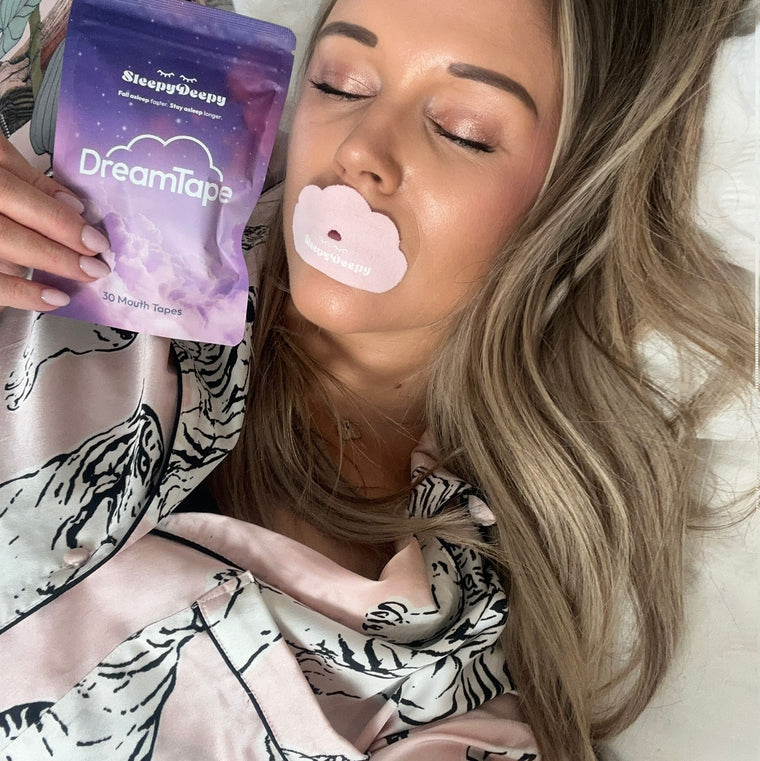
If snoring or mouth breathing is already a feature of your nights, alcohol makes both significantly worse. Keeping your airway as clear as possible becomes more important than ever. A nasal strip can help keep nasal passages open, reducing the tendency to fall back on mouth breathing when muscles are more relaxed than usual. Small steps, consistently applied, add up.
How Alcohol Affects Sleep Quality the Next Day
Poor sleep does not stay confined to the night. Alcohol-disrupted sleep often shows up the following day in subtle but meaningful ways.
- Brain fog and slower thinking
- Lower motivation and focus
- Reduced emotional resilience
- Increased reliance on caffeine
- Lower energy for exercise and movement
This is why alcohol can create a cycle of tiredness, where poor sleep leads to habits that further impact sleep quality.
Can You Improve Sleep Without Giving Up Alcohol?
You do not need to aim for perfection to protect your sleep. Small, practical changes can make a noticeable difference.
- Finish drinking earlier in the evening
- Hydrate properly before bed
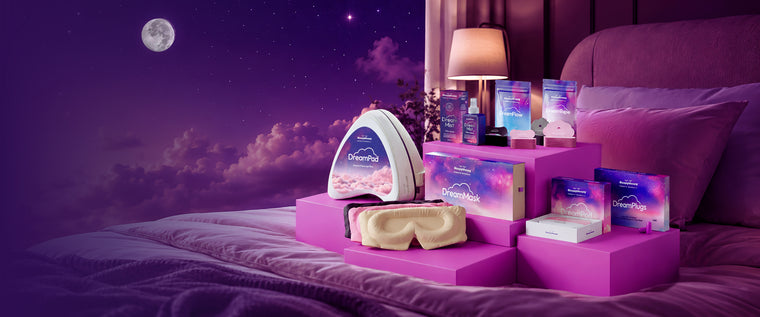
- Create complete darkness in your sleep environment with DreamMask
- Encourage nasal breathing overnight
- Use calming audio to support relaxation rather than alcohol. Our DreamPod Pillow Speaker could be just what you're looking for.
Blocking light with a comfortable blackout mask can help your brain stay in deeper sleep stages. Encouraging nasal breathing can reduce snoring and dry mouth. Gentle, consistent sound can mask disturbances without overstimulating your nervous system.
Sleep quality is rarely about one single habit. It is about creating a system that supports your body through the night.

The Takeaway
Alcohol impacts your sleep even when you do not consciously notice it. It changes your sleep cycle, reduces deep and REM sleep, and makes rest less restorative.
The good news is that understanding what is happening gives you control. With a few supportive adjustments, you can protect your sleep, recover more deeply, and wake up feeling genuinely refreshed.
Better sleep does not require perfection. It starts with awareness and small changes that add up over time.