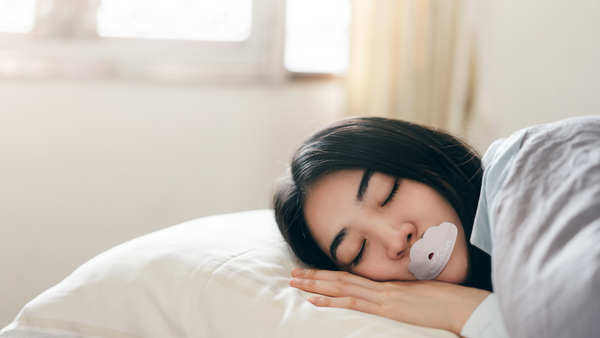

Mouth taping has quietly moved from niche wellness habit to mainstream sleep conversation. Once reserved for elite athletes and biohackers, it is now being adopted by everyday people who simply want to wake up feeling better rested, more hydrated, and less groggy.

At its core, mouth taping is about encouraging nasal breathing while you sleep. That small change can have a surprisingly big impact on how deeply and restoratively you sleep.
Let’s unpack why.
Why Nasal Breathing Matters at Night
Your nose is not just there for smelling candles and fresh coffee. It plays a critical role in how your body breathes and recovers during sleep.
When you breathe through your nose, several important things happen:
- Air is filtered, warmed, and humidified before reaching your lungs
- Oxygen uptake becomes more efficient
- Nitric oxide is released, helping blood vessels dilate and oxygen circulate better
Mouth breathing bypasses all of this. Overnight, that can mean drier airways, poorer oxygen exchange, and more disturbed sleep.
The Hidden Downsides of Mouth Breathing While Sleeping
Many people do not realise they are mouth breathers until the symptoms start stacking up.
Common signs include:
- Waking with a dry mouth or sore throat
- Bad breath in the morning
- Snoring, even if mild
- Restless, broken sleep
- Feeling unrefreshed despite enough hours in bed
Over time, chronic mouth breathing has been linked to poorer sleep quality and increased fatigue during the day. It is not always dramatic, just quietly draining.
How Mouth Taping Helps
Mouth taping works by gently encouraging your lips to stay closed while you sleep. It does not force anything. Instead, it nudges your body back towards its natural breathing pattern.
The benefits many people report include:
Deeper, More Restful Sleep
Nasal breathing supports steadier oxygen levels and calmer breathing rhythms. That combination often leads to fewer micro-awakenings through the night.
Reduced Snoring
Snoring frequently starts with mouth breathing. Keeping the mouth closed can reduce airway vibration, particularly in mild to moderate snorers.
Less Dry Mouth and Throat
Breathing through your nose keeps moisture where it belongs. Many people notice immediate improvement here, sometimes from the very first night.
Better Morning Energy
More stable sleep and oxygen delivery often translate into clearer mornings, fewer headaches, and less brain fog.
Supports Long Term Breathing Habits
Consistent mouth taping can help retrain breathing patterns over time, even during the day.
One thing people often overlook is the cumulative effect. A few nights of nasal breathing does not transform you overnight. But after a few weeks, many people notice that they naturally keep their mouth closed during the day too, breathing more efficiently even at rest. Habits formed during sleep have a way of quietly shaping how we breathe when we are awake.
A = Breathing with mouth open. Air coming in through nose and mouth. Reduced airflow.
B = Using DreamTape. All air flowing through the nose, creating a better airflow.

Is Mouth Taping Safe?
When done correctly, mouth taping is considered safe for most healthy adults. The key word there is correctly.
Good mouth tape should be:
- Breathable
- Skin-safe and hypoallergenic
- Easy to remove
- Designed specifically for sleep
This is not a job for duct tape or anything aggressive. Purpose-made sleep mouth tape is shaped and engineered to be gentle, flexible, and comfortable all night.
If you have nasal obstruction, sleep apnoea, or respiratory conditions, it is always sensible to speak with a healthcare professional first. We wrote a more detailed article on this here: Is Mouth Taping Safe
Getting Started Without Overthinking It
If the idea of sealing your mouth feels intimidating, you are not alone. Many people ease into it.
- Start wearing it while awake, reading a book
- Use it on nights when you feel relaxed, not overtired
- Pair it with good sleep hygiene like a cool, dark bedroom
Most people find the sensation disappears quickly, much like wearing an eye mask for the first time.
Why the Right Mouth Tape Makes All the Difference
Not all mouth tape is created equal. Skin sensitivity, adhesive strength, and breathability matter more than you might expect, so it is worth reading how to choose the right mouth tape before you buy.
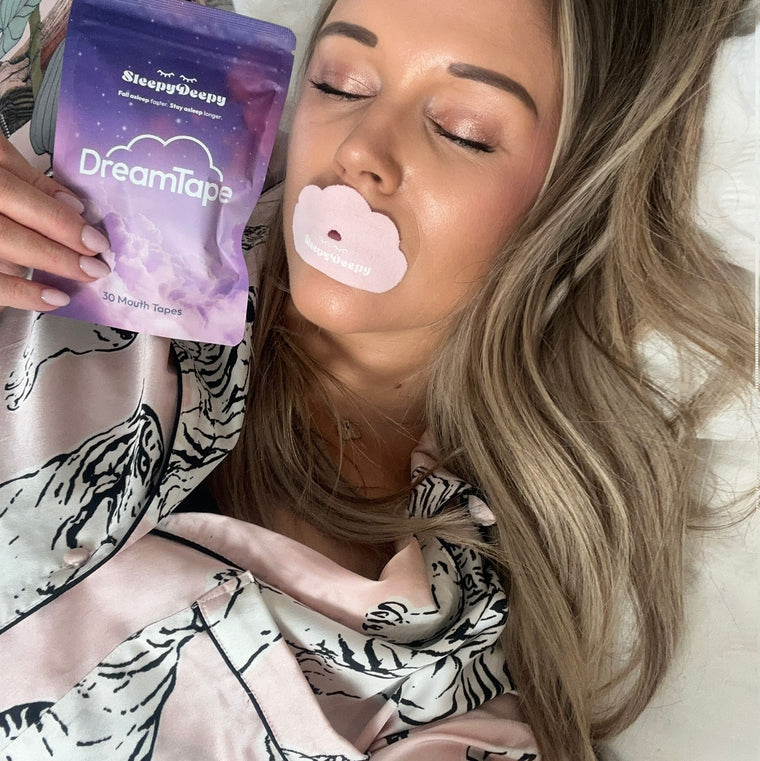
That is why we created DreamTape, our cloud-shaped mouth tape designed specifically for sleep. It is:
- Gentle on sensitive skin
- Secure without feeling restrictive
- Shaped for comfort and easy breathing
It is designed to support nasal breathing, not fight your body.
Explore DreamTape here: https://www.sleepydeepy.com/products/dreamtape

Mouth Taping as Part of a Sleep System
Mouth taping works best when it is not treated as a magic fix in isolation. Think of it as one part of a broader sleep system.
It pairs beautifully with:
- A blackout sleep mask to support melatonin production
- A calming bedtime routine
- Consistent sleep and wake times
Small improvements stack. That is where deep sleep really starts to happen.
Final Thoughts
Mouth taping is one of those habits that feels almost too simple to matter, until you try it. For many people, it quietly transforms sleep quality without pills, gadgets, or complicated routines.
If you wake up tired, dry-mouthed, or foggy, it might be worth asking a simple question tonight.
How am I breathing when I sleep?
Sometimes, the smallest change makes the biggest difference.