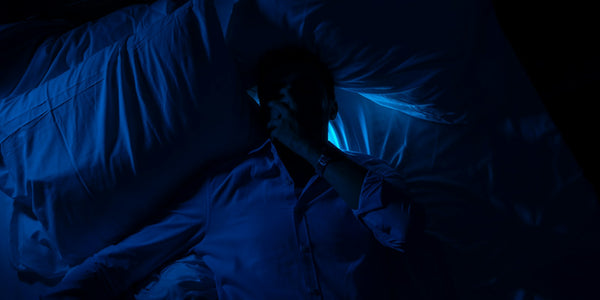

You finally get comfortable, the room goes quiet, and then it starts: a tickle at the back of the throat, one cough, then another, until you are sitting up in the dark wondering why it was barely there all afternoon. If you are trying to work out how to sleep with a cough, you are far from alone. Lingering coughs after a cold are one of the most common reasons people lose sleep through autumn and winter.
So why does a cough that is manageable by day turn into a nightly battle, and what can you actually do about it tonight? This guide explains the three reasons a cough gets worse when you lie down, helps you work out which one is yours, and gives you the simple fixes in the order worth trying.

How to sleep with a cough: why is it worse at night?
The short answer. How to sleep with a cough comes down to calming what makes it worse lying down: (1) mucus from your nose dripping down the back of your throat, (2) dry air and mouth breathing irritating your throat, and (3) reflux or sensitive airways flaring at night. Prop yourself up, keep your nose clear and soothe your throat before bed.
None of this will cure the infection behind a cough, and most coughs from a cold clear up on their own within three weeks. But you can take the edge off the night-time version, and sleep plays a real role in your immune system, so it is worth protecting. Here are the three causes one at a time.
Cause 1: Post-nasal drip when you lie flat
When you have a cold or a blocked nose, mucus that you would normally swallow without noticing runs down the back of your throat once you are lying down. By day, gravity keeps it moving; at night it pools and tickles the throat, triggering the cough reflex again and again. This is why so many people cough the moment their head touches the pillow, and why a cough often eases within minutes of sitting up. If your nose is also stuffy, our guide to how to sleep with a blocked nose goes deeper on clearing it.
Cause 2: Dry air and mouth breathing
A blocked nose pushes you into breathing through your mouth, and mouth breathing sends cool, dry air straight onto an already irritated throat. Your nose normally warms and moistens the air before it reaches your airways. Bypass it for a few hours and the throat dries out, which is the classic recipe for a dry, tickly cough that wakes you at 3am. We explain the difference this makes in nose breathing versus mouth breathing, and if you wake parched, see our piece on dry mouth at night.
Cause 3: Reflux and sensitive airways
Lying flat after a late meal lets stomach acid creep up towards the throat, and even small amounts can trigger a persistent cough without obvious heartburn. Airways that are already inflamed after a virus, or that are sensitive because of asthma, also tend to narrow slightly overnight as part of the body's natural daily rhythm. Dust mites in bedding and pollen on clothes can add to it, so wash bedding hot and keep pets off the bed while you are unwell. Our article on hay fever and sleep covers the allergy side.
Is this you?
Tick the ones that sound familiar. The pattern points to the cause.
- You start coughing within minutes of lying down, and it eases when you sit up.
- You wake with a dry mouth or a sore, scratchy throat.
- Your nose is blocked or runny, especially at night.
- You often eat or drink late in the evening.
- The cough is worse in a warm, heated bedroom.
Three or more usually means drip and dry air are driving your night-time cough, and both respond well to the first three steps below.
What to do about it
The fix follows the cause, so start with the free changes and add the rest only if you need them.
Step 1: Raise your head and shoulders (Cause 1 and 3)
Use an extra pillow or two, or better still raise the head end of the bed slightly, so that mucus drains rather than pools and acid stays where it belongs. Try lying on your side rather than flat on your back, which also helps drainage. Our guide to the best sleeping position explains how to stay comfortable propped up. Stop eating two to three hours before bed if reflux could be part of the picture.
Step 2: Soothe your throat before bed (Cause 2)
A warm drink of honey and lemon in hot water, sipped in the half hour before bed, is simple and backed by NHS guidance for adults and children over one. Keep a glass of water by the bed for when the tickle starts. Turn the radiator in the bedroom down, and a bowl of water near it or a humidifier can take the edge off very dry air.
Step 3: Keep your nose open so you breathe through it (Cause 2)
If a blocked nose is pushing you into mouth breathing, clearing it is one of the most useful things you can do. A steamy shower and a saline rinse before bed help. DreamFlow nasal strips gently lift the sides of the nose to open the nostrils, which can make nose breathing easier on a stuffy night so your throat is not drying out. The honest caveat: they do not treat a cough or an infection, and they will not clear mucus that is deep in the sinuses. They simply make it easier to breathe through your nose. Our best nasal strips UK guide compares the options, and the easier breathing collection has everything in one place.
"A cough medicine will sort it" - is that true?
Partly. Most over-the-counter cough syrups have surprisingly little good evidence behind them, and the NHS notes that they are not always better than honey and lemon. Some night-time products contain a sedating antihistamine, which may help you nod off but can leave you groggy the next morning and is not suitable for everyone. Ask a pharmacist before buying, as some remedies contain paracetamol and it is easy to double up. For most people the drainage, throat and nose fixes above do more for the night-time cough than a spoonful of syrup, and they cost almost nothing.
When it's different for you
- Babies and young children: never give honey to babies under one, and over-the-counter cough and cold medicines are not recommended for children under six. Nasal strips are not designed for young children. Speak to a pharmacist or GP instead.
- Pregnancy: check with a pharmacist or midwife before taking any cough or cold remedy. Raising the head of the bed and nose-clearing steps are generally fine.
- Asthma or COPD: a worsening night-time cough can mean your condition needs reviewing, so follow your action plan and contact your GP or nurse rather than relying on home remedies.
- Blood pressure tablets: some, called ACE inhibitors, can cause a dry, persistent cough. If yours started after a new medicine, mention it to your GP rather than stopping it yourself.
When to see your GP
Most coughs are harmless and pass on their own, but seeing your GP is a sensible step rather than a last resort if any of these apply:
- Your cough has lasted more than three weeks.
- Your cough is getting worse rather than better.
- You are coughing up blood.
- You feel breathless, have chest pain, or have lost weight without trying.
- You have a weakened immune system or a long-term lung condition.
The NHS has a clear guide to cough symptoms, self-care and when to get help. Call 999 if you are struggling to breathe.
Frequently asked questions
Why does my cough get worse when I lie down?
Lying flat lets mucus from your nose drip down the back of your throat, where it tickles and triggers the cough reflex. Mouth breathing through a blocked nose dries the throat out, and lying down after eating can let acid reach it too. Propping yourself up with an extra pillow and keeping your nose clear usually helps within a night or two.
What is the best position to sleep in with a cough?
Slightly propped up and on your side is best for most people. Raising your head and shoulders helps mucus drain instead of pooling, and side sleeping stops it settling at the back of the throat. If reflux is involved, lying on your left side may help. Our guide to the best sleeping position has more detail.
Does honey really help a cough at night?
For many people, yes. Honey soothes the throat, and the NHS suggests a warm drink with honey and lemon as a simple remedy for adults and children over one. It will not shorten the illness, but a spoonful in hot water before bed can reduce the tickle enough to help you get to sleep. Never give honey to babies under one.
Can nasal strips help with a night-time cough?
Only indirectly. Nasal strips such as DreamFlow open the nostrils so it is easier to breathe through your nose when you are stuffy, which means less mouth breathing and a less dry, irritated throat. They do not treat the cough or infection itself, so use them alongside the other steps rather than instead of them.

The bottom line
Raise your head and sleep on your side so mucus drains. Soothe your throat with a warm honey and lemon drink and a cooler, less dry bedroom. Keep your nose open so you breathe through it rather than your mouth, and avoid late meals. If the cough lasts more than three weeks or comes with any red flags, see your GP.
A cough at night is miserable, and it is easy to feel you are just waiting it out. You do not have to lie there hacking until morning. A few small changes to how you lie, what you breathe and what you sip before bed can give you back enough sleep to feel more like yourself while you recover.
Try DreamFlow Nasal Strips - gentle, drug-free support for easier nose breathing on stuffy nights.
This article is general information, not medical advice. If your symptoms are persistent or severe, or you are unsure what is causing them, please speak to your GP. SleepyDeepy products are designed to support your sleep and are not a treatment for any medical condition.
Breathe easy. Sleep deeper. SleepyDeepy.