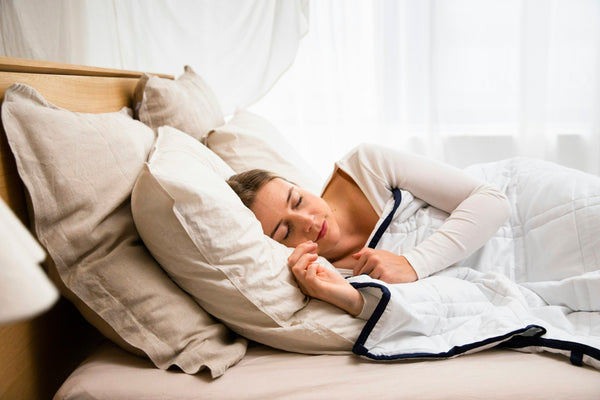
We tend to think of our immune system as something that only matters when we are already ill - the thing that kicks in once the cold has taken hold. In reality it is working quietly around the clock, and a surprising amount of that work happens while you are asleep. Sleep is not downtime for your body's defences. It is one of their busiest and most important shifts.

If you have ever noticed that you catch every bug going during a run of bad nights, that is not your imagination. The link between sleep and immunity is one of the clearest findings in sleep science, and understanding it makes a strong case for treating rest as a genuine part of staying well rather than a luxury you fit in when there is time.
What your immune system does while you sleep
It goes to work in the deep hours. During the deeper stages of the night, your body carries out a great deal of repair and maintenance. This is when certain immune cells are most active and when your body is best placed to respond to anything it has encountered during the day. If you want the fuller picture of what is happening behind the scenes, our guide to the science of sleep walks through it step by step.
It releases helpful proteins. While you sleep, your body produces signalling proteins called cytokines. Some of these are needed to fight infection and calm inflammation. When you cut your sleep short, you produce fewer of them, which leaves your defences less well supplied at exactly the moment they may be needed.
It builds lasting protection. Sleep also seems to help your immune system remember. There is good evidence that people who sleep well after a vaccination build a stronger, longer lasting response than those who are short on rest. Your body appears to lock in that protective learning overnight, much as it does with memory.
What happens when you do not sleep enough
You catch more of what is going round
Studies that deliberately expose people to a common cold virus have found a striking pattern - those sleeping less than around six or seven hours are far more likely to fall ill than those getting a full night. Short sleep genuinely lowers your resistance. If your nights are regularly cut short, our piece on the signs you are not getting enough deep sleep is worth a look.
Inflammation creeps up
Poor sleep over weeks and months is linked with higher levels of low grade inflammation in the body. In the short term that leaves you feeling run down. Over the long term, persistent inflammation is tied to a range of health problems, which is part of why deep sleep matters more than most people think.
Recovery takes longer
When you are unwell, sleep is one of the most powerful tools you have. It is why illness makes you feel so tired - your body is asking for the rest it needs to fight back. Skimping on sleep while poorly is a false economy, because you slow the very process that gets you better. If a lingering cold has left you coughing through the night, our guide on how to sleep with a cough has practical steps, and if a blocked nose is the bigger problem, DreamFlow nasal strips gently lift the sides of the nose to make breathing easier, though they will not treat the cold itself.
How to give your immune system the sleep it needs
Aim for consistency, not perfection. A regular sleep and wake time does more for your immunity than the odd long lie in. Your body thrives on rhythm, and steady nights give your defences the reliable window they need to do their work.
Protect your deep sleep. Since so much immune activity happens in the deeper stages, anything that fragments your night is worth addressing. Alcohol is a common culprit here - it can knock you out quickly but then break up the second half of the night, as we explain in how alcohol disrupts your sleep cycle.
Wind down properly. Stress hormones and immunity pull in opposite directions, so a calm run in to bed genuinely helps. A settled mind falls asleep faster and sleeps more deeply. If your thoughts tend to race at night, our guide to how stress and anxiety sabotage your sleep offers some practical ways to break the cycle.
Do the basics well. A cool, dark, quiet room, a bit of daylight in the morning and a consistent bedtime are not glamorous, but they are what your immune system is quietly asking for every single night.
Frequently asked questions
Can sleep really stop me getting ill?
Sleep cannot make you invincible, but it clearly tilts the odds in your favour. Well rested people are less likely to catch common infections and tend to recover faster when they do. Think of it as strengthening your defences rather than guaranteeing you never fall ill.
How much sleep do I need for a healthy immune system?
For most adults, seven to nine hours is the range where immune function looks healthiest. The research on colds in particular points to trouble starting below around six hours a night on a regular basis.
Should I sleep more when I feel a cold coming on?
Yes. Extra rest gives your body the resources to mount a stronger response. Feeling unusually sleepy when you are run down is your body sensibly asking for more time to recover, so it is worth listening.
Does one bad night hurt my immunity?
A single short night is not something to worry about - your body is resilient and will bounce back. The real risk comes from weeks and months of short sleep, when the effects start to add up and your defences stay under supplied.
Why do I always get ill on holiday or after a big deadline?
Often it is the crash after a stretch of stress and poor sleep. While you are pushing hard, stress hormones can mask how run down you are. Once you finally relax, your body lets its guard down and any lurking bug gets its chance.

The bottom line
Your immune system does some of its most important work while you sleep, from producing infection fighting proteins to locking in lasting protection. Cut your rest short and you leave your defences under supplied and slower to recover. Guard your sleep - keep it regular, keep it deep, and treat it as a genuine part of staying well rather than the first thing you sacrifice when life gets busy. It really is one of the best defences you have.
Try DreamMist - a calming lavender, chamomile and vanilla pillow spray to help you wind down and sink into deeper sleep.
Sleep well. Sleep properly. SleepyDeepy.