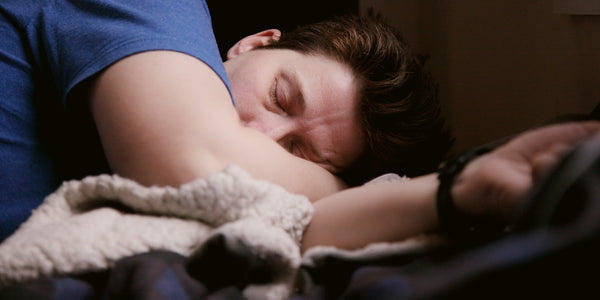

You are fast asleep, then your bladder taps you on the shoulder. You shuffle to the bathroom, squint at the light, and spend the next half hour trying to drift off again. If this is a regular thing, waking up to pee at night can quietly wreck your sleep and leave you flat the next day, even when you were only up for two minutes.
So what is actually going on, and can you do anything about it? This guide covers why it happens, how to tell which cause fits you, and the changes worth trying in order, starting with the free ones.

Why am I waking up to pee at night?
The short answer. Waking up to pee at night usually comes down to (1) drinking too much, or too late, especially caffeine and alcohol, (2) your body making more urine overnight or your bladder holding less as you age, or (3) broken sleep that makes a normal bladder feel urgent. Persistent cases are worth a GP check.
Getting up once a night is very common and often nothing to worry about. It tends to become a problem when it happens twice or more, or when you struggle to get back to sleep afterwards. Here are the main causes, one at a time.
Cause 1: What and when you drink
The simplest explanation is often the right one. A big drink in the evening, a late cup of tea, or a couple of glasses of wine all end up in your bladder a few hours later. Caffeine and alcohol are the two worth watching, because both make you produce more urine and both also lighten your sleep. We explain how they work in how caffeine and alcohol quietly ruin your sleep. Shifting when you drink, rather than how much, is often enough to fix this one.
Cause 2: Your body makes more urine at night
Overnight urine production changes with age and circumstance. Many people make less of the hormone that tells the kidneys to hold on to water as they get older, so more urine is produced while they sleep. Fluid that pools in the legs during the day can also return to the bloodstream when you lie flat, and some medicines, such as water tablets taken late in the day, add to it. In men, an enlarged prostate can mean the bladder never feels fully empty. None of this is your fault, but it does explain why the trips can creep up over the years.
Cause 3: Broken sleep makes the bladder louder
Sometimes you wake first and notice the bladder second. If noise, light, heat or worry has already pulled you towards the surface, a mildly full bladder suddenly feels urgent. You then assume the bladder woke you, when it was really your sleep that was already fragile. If you often surface in the small hours, why you wake up at 3am is worth a read.
Cause 4: Breathing and health conditions
A few underlying issues can drive night-time trips. Sleep apnoea is a well-known one, because the strain of disrupted breathing changes how much urine the body makes. Poorly controlled diabetes, a urinary tract infection and an overactive bladder can all play a part too. If you also snore loudly or wake gasping, our guide to obstructive sleep apnoea and how to get tested in the UK is a sensible place to start.
Is this you?
See how many of these sound familiar:
- You drink most of your fluids after 6pm, or have tea, coffee or wine with your evening meal.
- You go to the loo just before bed but still wake needing to go a few hours later.
- You are usually awake for a moment before you realise you need to go.
- The trips have become more frequent over months or years.
- Your ankles are puffy by the evening, or you snore loudly.
- You struggle to fall back to sleep once you are up.
If three or more fit, start with the fixes below in order - and if several of the last three ring true, mention it to your GP.
What to do about it
The fixes follow the causes, free and obvious first. Give each a week or two before moving on, because the effect is gradual.
Step 1: Move your drinks earlier (Cause 1)
Drink more in the morning and afternoon, then taper off in the two to three hours before bed. Do not cut back on water overall, as dehydration brings its own problems and can irritate the bladder. Just front-load it.
Step 2: Cut caffeine and alcohol in the evening (Causes 1 and 3)
Switch to decaf or herbal tea after lunchtime and keep alcohol well away from bedtime. Our list of what to avoid before bed covers the other usual suspects.
Step 3: Empty your bladder properly before bed (Cause 2)
Go to the loo as part of your wind-down, wait a minute, then try again. If you have swollen ankles by evening, putting your feet up for an hour before bed can help the fluid clear earlier rather than overnight.
Step 4: Make the trip, and the return, as sleepy as possible (Cause 3)
Keep the light low, ideally a dim night light rather than the main bathroom bulb, and keep your phone out of your hand. Then give your brain a cue to settle again. Some people find a calming scent on the pillow helps them drift back off, and a pillow spray such as DreamMist Lavender Pillow Spray suits that routine. To be clear, it will not change how often you need the loo - it simply makes the return to sleep easier. Our guide to the best pillow sprays in the UK and the pillow sprays collection explain how to choose, and our tips on how to fall asleep faster work just as well at 3am.
Step 5: Rule out the medical causes (Cause 4)
If the simple changes do not help after a few weeks, or you recognise the signs of sleep apnoea, diabetes or a prostate problem, book an appointment. These are all common and treatable.
"Everyone gets up for the loo as they get older, it's normal" - is that true?
Up to a point. Waking once a night becomes more common with age, and for many people it is simply part of how the body changes. That is why it often gets brushed off. The trouble is that "normal" can hide a cause that is easy to fix, such as late drinks, a medicine taken at the wrong time of day, or untreated sleep apnoea. Two or more trips a night, or trips that leave you exhausted, are worth looking into rather than putting up with. Common does not have to mean unavoidable.
When it's different for you
- Pregnancy: frequent night-time trips are very common, especially in the first and third trimesters. Check with your midwife before using any scented product, including pillow sprays.
- Existing diagnosis: if you have diabetes, a prostate condition, heart or kidney problems, follow the advice of your care team and speak to them before changing your fluids.
- On medication: if you take water tablets, ask your pharmacist or GP whether the timing of the dose can be moved earlier in the day. Do not change it yourself.
- Children: night-time wetting or waking in children is a separate topic, and our products are not designed for it.
When to see your GP
Seeing your GP about this is a sensible step rather than a last resort, particularly if any of these apply:
- You are getting up two or more times a night for several weeks.
- You notice blood in your urine, or pain or burning when you pass it.
- You are unusually thirsty, or losing weight without trying.
- You have a weak stream, leaking, or feel your bladder never fully empties.
- Your ankles or legs are swelling, or you snore loudly and wake gasping.
Frequently asked questions
Why do I wake up to pee at night every night?
Usually a mix of timing and sleep. Evening drinks, caffeine, alcohol, age-related changes and light sleep all contribute. If it is nightly for weeks, it is worth speaking to your GP to rule out sleep apnoea, diabetes or prostate issues. See our guide to sleeping better with insomnia if you also struggle to drop back off.
How many times is it normal to get up to pee at night?
Once is common and usually not a concern, especially as you get older. Two or more times a night is generally considered worth investigating, particularly if it affects how rested you feel the next day.
Does drinking less water at night stop me waking up?
Often, yes, if you taper fluids over the last few hours before bed. Do not cut your total water intake, though - move it earlier in the day instead. A calming pillow spray can help you settle again after a trip, but it will not change how much urine you make.
Why do I wake up to pee at 3am?
The small hours are when sleep is lightest, so a half-full bladder is easier to notice. Alcohol wearing off can add to it. Our article on why you wake up at 3am goes through the other likely causes.
Can sleep apnoea make me need the loo at night?
Yes. Disrupted breathing changes the hormones that control urine production, so people with untreated sleep apnoea often wake to pee. If you snore heavily or feel unrefreshed, ask your GP about a sleep assessment.

The bottom line
Start by moving your drinks earlier and dropping evening caffeine and alcohol, then empty your bladder properly before bed, keep the trip dim and calm, and check for medical causes if nothing shifts after a few weeks. Most people see an improvement just from the first two steps.
Waking up to pee at night is rarely a sign that something is badly wrong, but it is also not something you simply have to accept. A little detective work usually turns up the cause, and your mornings are the better for it.
Try DreamMist - a lavender pillow spray to help you settle back to sleep after a night-time trip.
This article is general information, not medical advice. If your symptoms are persistent or severe, or you are unsure what is causing them, please speak to your GP. SleepyDeepy products are designed to support your sleep and are not a treatment for any medical condition.
Back to sleep, gently. SleepyDeepy.