

There are few things more frustrating than doing everything right, getting your full eight hours, and still dragging yourself out of bed feeling like you have barely slept. It makes you wonder whether you are somehow broken, or whether the whole eight-hours idea is a myth. It is neither. You are just running into a truth that hours in bed cannot capture.
Sleep is not one long, flat block of rest. It is a series of cycles through light sleep, deep sleep and dream sleep, and the quality of those cycles matters far more than the total. You can spend eight hours in bed and still get poor sleep. If mornings leave you groggy no matter how early you turn in, one of the things below is almost certainly to blame.
Your sleep is being fragmented
The short answer. Broken sleep is the most common culprit. You can wake briefly dozens of times a night without ever remembering it. Each little arousal pulls you out of deep sleep and resets the clock on your cycle, so you never spend long enough in the restorative stages. On paper you slept eight hours. In reality you got a patchwork of shallow rest.
What causes the wake-ups
A partner moving, street noise, a warm room, a full bladder, alcohol wearing off in the early hours - all of these fragment your night. Noise is one of the sneakiest, because it can nudge you into lighter sleep without fully waking you. If you often surface in the small hours, our piece on why you wake up at 3am is worth a read.
You are breathing through your mouth
How you breathe at night shapes how rested you feel. Mouth breathing during sleep tends to be shallower and less efficient, and it is often linked with snoring and disrupted, lighter sleep. You may not notice it happening, but a dry mouth, a sore throat or a stuffy nose in the morning are all clues. Over a whole night, poor breathing quietly chips away at your deep sleep.
Nose breathing is the goal
Breathing through your nose is calmer, more efficient and better for keeping your airway settled. Nasal congestion, allergies or simple habit can push you into mouth breathing without you realising. We explain the full picture in why mouth breathing at night is ruining your sleep, and if breathing problems sound familiar it is worth ruling out simple fixes for a blocked nose.
You are not getting enough deep sleep
Deep sleep is where the real recovery happens. This is the stage that repairs your body, consolidates memory and leaves you feeling genuinely refreshed. If anything eats into it - stress, alcohol, an erratic schedule, a poor sleep environment - you can clock eight hours and still feel wrecked, because the hours you got were the wrong kind.
Know the signs
Waking unrefreshed, struggling to concentrate and relying on caffeine to function are all hints that your deep sleep is short. We go through the tell-tale signs in this guide to spotting a deep sleep deficit. Understanding the different stages of sleep helps you see why total hours tell only half the story.
Your evening habits are working against you
The wrong wind-down undoes a good night before it starts. Alcohol is the classic trap. It helps you fall asleep, then wrecks the second half of the night as it wears off, stripping out deep and dream sleep. Caffeine lingers in your system far longer than most people expect, and a late, heavy meal keeps your body busy digesting when it should be resting.
Time your intake
Try to keep caffeine to the morning, go easy on alcohol close to bed, and leave a couple of hours between your last big meal and lights out. We break down exactly how these two culprits work in how caffeine and alcohol quietly ruin your sleep.
You are waking at the wrong point in your cycle
Timing your wake-up matters more than you think. If your alarm drags you out of deep sleep rather than light sleep, you get sleep inertia - that heavy, foggy feeling that can hang around for an hour. A regular schedule helps your body finish its cycles at roughly the same time each morning, so you wake naturally near the end of a cycle rather than in the middle of one.
Consistency beats catch-up
Going to bed and waking at similar times every day, weekends included, steadies your body clock and smooths out the grogginess. Lie-ins feel good but tend to leave you more disoriented, not less, by knocking your rhythm off track.
When to look deeper
Sometimes persistent tiredness has a medical cause. If you are exhausted despite genuinely good sleep habits, especially if you snore heavily, gasp or stop breathing in the night, it is worth speaking to a GP. Conditions like sleep apnoea are common, treatable and often missed. Our overview of obstructive sleep apnoea and how to get tested in the UK is a sensible starting point.
Frequently asked questions
Why am I tired after 8 hours of sleep?
Almost always because the quality was poor, not the quantity. Fragmented sleep, mouth breathing, too little deep sleep or waking mid-cycle can all leave you groggy despite a full night in bed.
Can I be sleeping too much?
Regularly needing far more than eight hours and still feeling tired can be a sign of poor sleep quality or an underlying issue. It is worth looking at what is happening during those hours rather than simply adding more.
Does grogginess in the morning mean bad sleep?
Not necessarily. A short burst of grogginess is normal sleep inertia, especially if you woke from deep sleep. Grogginess that lasts an hour or more, most days, points to a quality problem worth addressing.
How do I know if I am mouth breathing at night?
A dry mouth, sore throat, or stuffy nose on waking are common clues, as is a partner noticing snoring. Encouraging nose breathing tends to improve how rested you feel.
When should I see a doctor about tiredness?
If good sleep habits do not help, or if you snore heavily, gasp, or stop breathing in your sleep, see a GP. Persistent daytime exhaustion is worth investigating properly.
The bottom line
Eight hours in bed is not the same as eight hours of good sleep. If you wake up tired, stop counting hours and start protecting quality: a dark, quiet, cool room, calm nasal breathing, sensible evening habits and a steady schedule. Fix the quality and the mornings take care of themselves. If nothing helps and you suspect something more, do not push through it - get it checked.

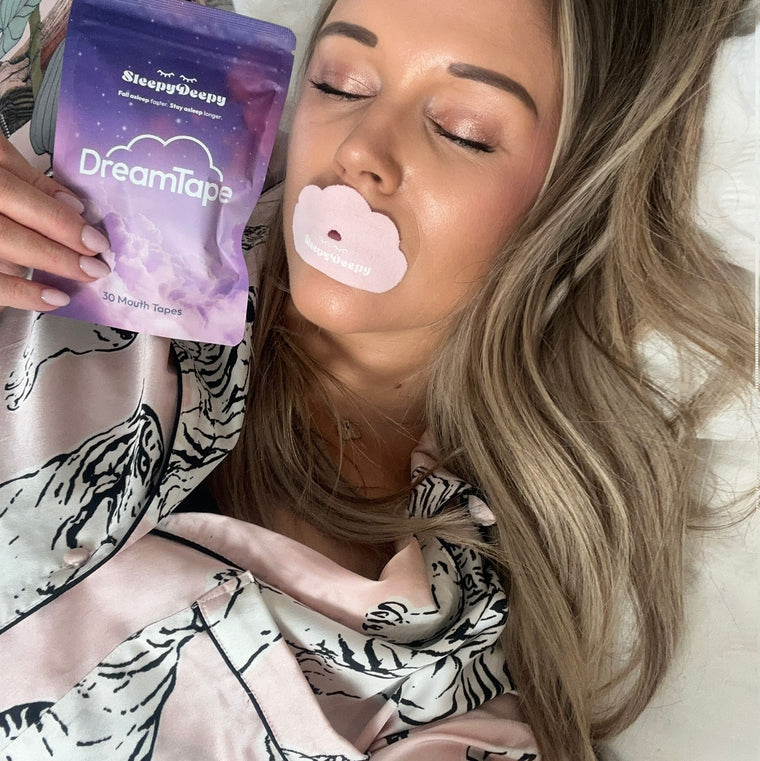
Try DreamTape - gently encourages nose breathing for calmer, deeper sleep.
Try DreamFlow - opens a blocked nose so nose breathing comes easily.
Try DreamPlugs - block the noises that quietly fragment your night.
Sleep well. Sleep properly. SleepyDeepy.