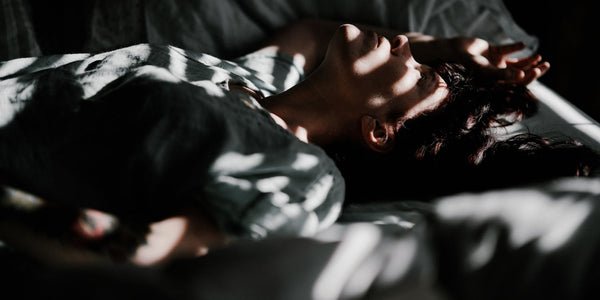
For years your sleep was reliable. You got into bed, you slept, you woke up. Then somewhere in your forties or fifties it changed - you started waking at 3am wide awake, or drenched and throwing off the covers, or lying there with a racing mind for no reason you can name. And nobody warned you that this, of all things, would be the symptom that hit hardest.
Sleep is one of the first things perimenopause and menopause disrupt, and one of the least talked about. The good news is that it is well understood, very common, and far from hopeless. Here is what is actually happening to your sleep, and what genuinely helps.

Why menopause changes your sleep
The short answer. Sleep problems are one of the most common symptoms of the menopause transition - studies suggest somewhere between 40 and 60 percent of women report them. Several things are going on at once, which is part of why it can feel so relentless.
Night sweats and hot flushes. The most obvious culprit. A sudden surge of heat, often followed by a chill as the sweat cools, is enough to pull you out of even deep sleep, sometimes several times a night. These vasomotor symptoms are the single biggest reason menopausal sleep becomes so broken.
Progesterone is falling. Progesterone has a naturally calming, mildly sedating effect - it is one of the body's own sleep aids. As levels drop through perimenopause, you lose some of that built-in help with falling and staying asleep, which is why sleep can feel lighter and more fragile than it used to.
Estrogen is falling too. Estrogen helps regulate body temperature, mood and the brain chemicals involved in sleep. As it declines it contributes to hot flushes, to lower mood, and to a nervous system that is more easily tipped into wakefulness.
Anxiety and low mood creep in. The hormonal shifts of this stage commonly bring more anxiety, irritability and low mood, sometimes for the first time in a woman's life. A more activated, anxious nervous system makes it harder to switch off at night and easier to wake in the small hours with the mind already racing.
The risk of sleep disorders rises. After menopause, the risk of obstructive sleep apnoea goes up, partly because the protective effect of those hormones is lost. Restless legs also become more common. Both fragment sleep, and both are easy to miss because you are asleep when they happen.
Waking to use the loo. Needing the toilet more often at night is common at this stage too, and once you are up, the falling progesterone and a busy mind can make getting back to sleep much harder than it once was.
And then the cycle feeds itself. Poor sleep makes hot flushes feel worse, mood lower, anxiety higher and the next night harder - which is exactly why breaking the cycle anywhere you can makes such a difference.
Perimenopause is often the hardest part
It is worth knowing that the worst of the sleep disruption often comes during perimenopause - the transition phase that can begin in your early forties and last anywhere from a few years to a decade - rather than after periods have stopped. This is because hormones are not simply low, they are fluctuating wildly from week to week. That unpredictability is harder on sleep than the steadier, lower levels that come later. So if your periods are still happening and your sleep has fallen apart, you are not imagining the connection.
When to talk to your GP
This is one area where it is genuinely worth getting professional support rather than soldiering on. Sleep products and good habits help, but they are not a substitute for proper care. Speak to your GP if:
- Sleep problems, night sweats or mood changes are significantly affecting your daily life. Hormone replacement therapy (HRT) is the most effective treatment for hot flushes and night sweats, and for many women it improves sleep dramatically as a result - it is a personal decision worth discussing properly.
- You have ongoing insomnia. Cognitive behavioural therapy for insomnia (CBT-I) is the first-line, evidence-based treatment and works well for menopausal sleep problems - ask what is available to you.
- You snore heavily, gasp, or wake unrefreshed despite enough hours, which can point to sleep apnoea - more common after menopause and very treatable once diagnosed.
- Your mood is persistently low or anxious. This is common and treatable, and it does not have to be endured alone.
None of that is a failure to cope. It is using the help that exists.
What actually helps at home
Keep the bedroom cool and plan for the sweats
Temperature is the lever that matters most here. Keep the room genuinely cool, choose light, breathable bedding and nightwear in natural fibres, and layer so you can throw off a blanket without fully waking. A fan within reach helps. Keeping a glass of water and a light change of nightwear nearby means a night sweat costs you a few minutes rather than the rest of the night.
Cut the things that make it worse
Alcohol and caffeine both worsen hot flushes and fragment sleep, and their effects tend to feel stronger at this stage than they used to. The evening glass of wine that once seemed to help you drop off is now far more likely to wake you sweating at 3am. Pulling caffeine back to the morning and going easy on alcohol, along with avoiding spicy food and heavy meals late on, takes real pressure off your nights.
Build a wind-down that calms the system
With less progesterone to do it for you, a deliberate wind-down matters more than it once did. A consistent routine - same time, low light, something genuinely calming - helps signal sleep to a more easily activated nervous system. A few minutes lying back on a DreamMat acupressure mat helps release physical tension and shift you toward rest, and a familiar scent cue like DreamMist lavender pillow spray gives your brain a consistent signal that the day is over - useful when anxiety is part of the picture.

Have a plan for the 3am wake-up
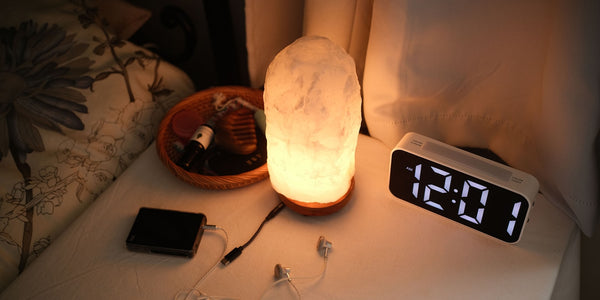
Waking at 3am is one of the most common menopause sleep complaints, and how you handle it makes a real difference. The worst move is reaching for your phone - the light and the scrolling wake you further. Something calm to listen to is far better. A DreamPod pillow speaker sits under your pillow and plays sleep sounds or a quiet voice at low volume, giving your mind something gentle to follow instead of catastrophising, without a bright screen or disturbing anyone next to you.
Protect against light and early waking
Lighter, more fragile sleep is more easily ended by an early summer sunrise or a chink in the curtains. A proper blackout eye mask is one of the simplest fixes there is, and a breathable one will not add to the heat. A DreamMask bamboo silk sleep mask blocks light completely and stays cool against the skin, which helps protect those vulnerable early-morning hours.
Keep moving
Regular exercise is one of the most effective things you can do for menopausal sleep, mood and hot flushes alike. The main caveat is timing - keep the vigorous stuff out of the last couple of hours before bed, since it can raise body temperature and adrenaline at exactly the wrong moment.
Frequently asked questions
Why has my sleep suddenly got so bad in my forties or fifties?
It is very likely your hormones. Sleep disruption is one of the earliest and most common signs of perimenopause, driven by falling progesterone, fluctuating estrogen, night sweats and rising anxiety. If your sleep has changed around this age, the menopause transition is the first place to look.
Is insomnia a symptom of perimenopause?
Yes, and a very common one. Difficulty falling asleep, waking through the night, and waking too early are all associated with the hormonal changes of perimenopause - often before many people even realise that is what is happening.
Why do I keep waking at 3am during menopause?
Several things converge in the early hours: a natural dip toward lighter sleep, a hot flush, a full bladder, or simply a more easily woken nervous system with less progesterone to keep you under. Once awake, anxiety and a racing mind make getting back to sleep harder. Keeping the room cool and having something calm to listen to rather than reaching for your phone both help.
Does HRT help with sleep?
For many women, yes - largely by reducing the night sweats and hot flushes that break sleep, and partly through its effect on mood and the nervous system. It is the most effective treatment for vasomotor symptoms. Whether it is right for you is a personal medical decision, so it is worth a proper conversation with your GP about the benefits and risks in your situation.
What can I do about night sweats ruining my sleep?
Focus on temperature: a cool room, breathable natural-fibre bedding and nightwear, layers you can shed without waking, and a fan nearby. Cutting alcohol, caffeine and spicy food in the evening reduces how often they strike. If they are severe and wrecking your sleep, HRT is highly effective and worth discussing with your GP.
Does menopause increase the risk of sleep apnoea?
It does. The risk of obstructive sleep apnoea rises after menopause, partly because the protective effect of estrogen and progesterone is lost. If you snore heavily, gasp in your sleep, or wake unrefreshed despite enough hours, it is worth getting checked, as it is very treatable.
Will my sleep go back to normal after menopause?
For many women, sleep does settle once hormones stabilise at their lower postmenopausal levels and the worst of the night sweats pass. It is the fluctuating perimenopausal years that tend to be hardest. Good habits and the right support can make a real difference throughout, rather than just waiting it out.
The bottom line
If your sleep has fallen apart in your forties or fifties, you are not imagining it and you are not doing anything wrong - it is one of the most common and least discussed effects of perimenopause and menopause. Falling progesterone, fluctuating estrogen, night sweats and a more easily activated nervous system all conspire against your nights.
Much of it is manageable. Keep the bedroom cool, ease off the things that make hot flushes worse, build a calming wind-down, protect those fragile early-morning hours, and have a gentle plan for the 3am wake-up. And do not soldier on alone - HRT, CBT-I and your GP exist for exactly this. Better nights are genuinely possible through this stage, not just after it.
Try DreamMist - lavender pillow spray to anchor a calming wind-down when anxiety is part of the picture.
Try DreamMat - acupressure mat to release tension and shift you toward rest before bed.
Try DreamPod - under-pillow speaker for something calm to listen to when you wake at 3am, instead of your phone.
Try DreamMask - breathable blackout sleep mask to protect those fragile early-morning hours.
Sleep well. Sleep properly. SleepyDeepy.