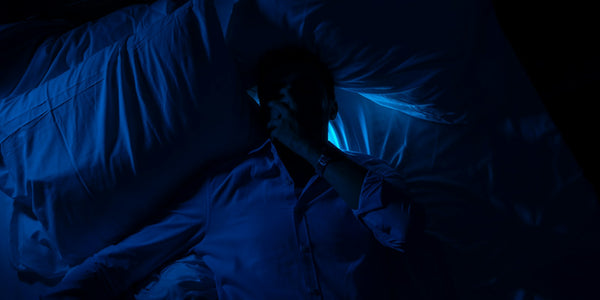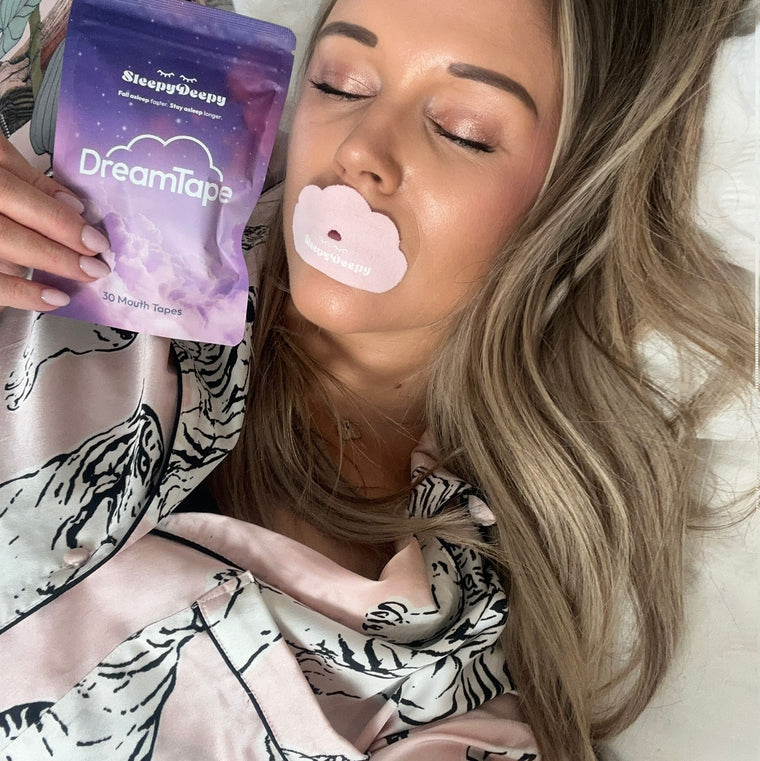

The house goes quiet, you switch off the lamp, and there it is again: a ringing, hissing or high whistle that nobody else can hear. It was there all day, but at night it seems to fill the room. If you are searching for how to sleep with tinnitus, you already know the cruel part - the quieter you make your bedroom, the louder it gets.
So is there a way to fall asleep when your ears will not switch off? Yes, and it is not about making the sound disappear. This article explains why tinnitus feels louder at night, how to tell which of the causes is driving yours, and a step-by-step routine that helps people with tinnitus get to sleep and stay there.

Why does tinnitus get louder at night?
The short answer. Tinnitus rarely gets louder at night; it gets more noticeable. Three things change after dark: (1) background noise drops away, so the brain has nothing to mask the sound against, (2) your attention narrows onto it with nothing else to focus on, and (3) stress about not sleeping makes the auditory system more alert. Learning how to sleep with tinnitus means tackling all three.
Honest context first: a sudden change in tinnitus, ringing in one ear only, or tinnitus that pulses with your heartbeat can have a specific cause that needs checking. For most people though, the nightly volume rise is about contrast and attention rather than the ear itself. Here are the three causes one at a time.
Cause 1: The silence effect
Your brain judges loudness by comparison, not in absolute terms. During the day, tinnitus sits underneath traffic, conversation, the kettle and the office. At bedtime, all of that stops and the ringing becomes the loudest thing in the room without changing at all. A truly silent bedroom is the worst environment for tinnitus. You want a little sound, not none.
Cause 2: The attention spotlight
Tinnitus is partly a filtering problem, and lying awake removes the filter. Your brain is constantly deciding which sounds matter. Once a sound has been tagged as important, threatening or annoying, it gets waved through every time. In bed there is nothing competing for your attention, so the spotlight lands on the ringing and stays there. The more you listen for it, the more your brain learns that it matters, and the more it forwards it the next night.
Cause 3: The stress loop
Worry about sleep turns the volume up. Stress hormones sharpen hearing and make the nervous system more reactive, so a tense body hears tinnitus more clearly. Then comes the loop: you notice the ringing, worry you will not sleep, tense up, and hear it more. It runs in both directions - poor sleep makes tinnitus feel worse the next day. If stress and anxiety are already sabotaging your sleep, tinnitus is often the thing that tips it over.
Is this you?
The nightly pattern is easy to recognise once you know what to look for. See how many of these you can tick:
- The ringing is barely noticeable at work but seems loud the moment you get into bed
- You have started sleeping with the TV or radio on just to cover it
- You lie awake checking whether it is louder than last night
- A quiet hotel room or a power cut makes it unbearable
- It feels worse after a stressful day or a bad night's sleep
- You have tried earplugs and found they made the ringing louder, not quieter
Four or more and your problem is mostly contrast and attention - which is good news, because those are the parts you can change.
What to do about it
The fix follows the cause: fill the silence first, then retrain the attention, then calm the loop.
Step 1: Never sleep in silence
This is the single biggest change and it costs nothing to try. Add a steady, gentle sound to the bedroom that sits just below the level of your tinnitus - a fan, an open window, rain sounds or a low hum. The aim is not to drown the ringing out (chasing it with louder and louder noise tends to backfire) but to give your brain something neutral to rest on so the tinnitus is no longer the only thing in the room. Our guide to the best sleep sounds covers which types of noise work best; for tinnitus, broadband sounds like rain, brown noise and gentle static usually beat music.
Step 2: Get the sound into your pillow, not your partner's ears
The practical problem with sound masking is delivery. Earbuds are uncomfortable to sleep on and block the ear canal, which many people with tinnitus find makes the ringing more prominent. A bedside speaker keeps a partner awake. A pillow speaker solves both. DreamPod bone conduction pillow speaker slips under or inside your pillow and plays any app on your phone - white noise, rain, a sleep podcast - at a volume only you can hear, with nothing in your ears and nothing pressing on your face if you sleep on your side. It is a comfort tool, not a treatment, and it will not change the tinnitus itself. If you want to compare options, our best pillow speaker UK guide walks through what to look for, and the full pillow speaker collection is here.
Step 3: Retrain the spotlight
Once there is background sound, practise letting the tinnitus be there without listening to it. That sounds impossible, but it is a skill. A short sleep meditation or body scan gives your attention somewhere else to sit. Do not check whether the ringing is louder or quieter; checking is listening. Over a few weeks the brain downgrades the sound from "important" to "wallpaper".
Step 4: Break the stress loop
Keep a consistent bedtime, avoid caffeine after lunch, and if you are awake for more than twenty minutes, get up and sit in dim light with the sound still playing until you feel sleepy. If you are waking in the small hours and lying there listening, our piece on why you wake up at 3am explains what is going on and how to get back off.
"Nothing can be done about tinnitus" - is that true?
Up to a point. There is currently no cure that switches the sound off, and anyone promising one should be treated with suspicion. But "no cure" is not the same as "nothing can be done". Sound enrichment, attention training and cognitive behavioural therapy for tinnitus all have good evidence for reducing how much it bothers people and how much it disrupts sleep, even when the sound itself is unchanged. The realistic goal is not silence; it is a tinnitus that no longer keeps you awake, and that is achievable for most people.
When it's different for you
- If you also have hyperacusis (sounds feel painfully loud): keep any masking sound very low and build up slowly. Talk to an audiologist before using constant sound overnight.
- If you wear hearing aids: ask about models with built-in sound generators; they are often the most effective option and a pillow speaker becomes a night-time supplement rather than the main tool.
- If your tinnitus started after a new medication: some drugs, including high-dose aspirin and certain antibiotics, can cause or worsen it. Do not stop a prescribed medicine, but do mention it to your GP or pharmacist.
- A note on earplugs: we sell them, and they are excellent for a noisy street or a snoring partner, but they are usually the wrong tool for tinnitus. Blocking the ear canal removes background sound and tends to make the ringing more obvious.
When to see your GP
Seeing your GP about tinnitus is a sensible first step rather than a last resort, especially if it is new. Book an appointment if:
- The tinnitus is in one ear only, or sounds different in each ear
- It pulses in time with your heartbeat
- It came on suddenly, or alongside hearing loss, dizziness or ear pain
- It started after a head or neck injury
- It is affecting your mood, concentration or ability to function during the day
The NHS tinnitus page explains what to expect, including referral to an audiologist or ear, nose and throat specialist.
Frequently asked questions
Why is my tinnitus worse when I lie down?
Two reasons. Lying down removes almost all background noise, so the ringing has nothing to hide behind, and lying still with your eyes closed points your full attention at it. If the change is dramatic, or only on one side, mention it to your GP.
Is white noise or pink noise better for tinnitus?
Most people with tinnitus prefer pink or brown noise, or natural sounds like rain, because they are softer at the high frequencies where tinnitus usually sits. Plain white noise can feel harsh. Try each at a low volume through a pillow speaker and keep whichever feels most restful - there is no single right answer, and our sleep sounds guide covers the differences.
Can a pillow speaker cure tinnitus?
No, and we would not claim it can. A DreamPod pillow speaker is a comfortable way to deliver low-level sound through your pillow so silence is not the only thing you hear. That makes the ringing easier to ignore while you fall asleep. It does not change the underlying condition, and it is not a substitute for seeing a GP or audiologist.
Should I sleep with earplugs if I have tinnitus?
Usually not. Earplugs block the outside sound your brain uses to put tinnitus in context, so the ringing tends to feel louder rather than quieter. If you need to block a snoring partner or a noisy street, a low masking sound through a pillow speaker generally works better for people with tinnitus than plugs.
Does lack of sleep make tinnitus worse?
Yes, for most people. Tiredness lowers your tolerance and makes the nervous system more reactive, so the same sound feels louder and more intrusive. That is why the loop matters: better sleep quietens the tinnitus experience, which in turn makes sleep easier. Our guide on how to stop being a light sleeper may help too.

The bottom line
Learning how to sleep with tinnitus comes down to a sequence: stop sleeping in silence, get a low, steady sound into your pillow so it does not disturb anyone else, practise letting the ringing sit in the background rather than checking on it, and protect your sleep from the stress loop with a steady routine.
Accept that the sound may not go away, and know that this is not the same as accepting bad sleep. Most people who follow this sequence find the ringing fades into the background within a few weeks. If it is new, one-sided, pulsing, or wearing you down, get it checked - a GP visit is the sensible starting point, not a sign that something is badly wrong.
Try DreamPod - low-level sound through your pillow, nothing in your ears, nothing to keep your partner awake.
This article is general information, not medical advice. If your symptoms are persistent or severe, or you are unsure what is causing them, please speak to your GP. SleepyDeepy products are designed to support your sleep and are not a treatment for any medical condition.
Kinder nights, brighter mornings. SleepyDeepy.