

If you snore, or you share a bed with someone who does, you have probably heard the phrase "get a mouthguard for it" more than once. That mouthguard has a proper name - a mandibular advancement device, or MAD - and it is one of the more established tools for quieter, calmer nights. It is not a gimmick, and it is not a cure, but for a lot of people it genuinely helps.
The trouble is that MADs come wrapped in jargon, mixed reviews and a fair bit of confusion about where they sit next to simpler options like nasal strips, mouth tape and, at the more serious end, CPAP. This guide keeps it plain and honest: what a MAD actually is, how it works, the difference between the cheap and custom versions, and how to know whether it is worth talking to a dentist about.
What a mandibular advancement device actually is
The short answer. A small dental device that holds your lower jaw forward. A MAD looks a little like a gum shield or a double retainer. You wear it over your teeth at night, and it gently holds your lower jaw (the mandible) slightly forward of its resting position. That is the whole idea, and the name gives it away: it advances the mandible.
Why moving the jaw forward matters
When you fall asleep, the muscles around your throat and tongue relax. In some people they relax so much that the tongue and soft tissue drift backwards and narrow the airway. That narrowing is what makes the tissue vibrate, and vibration is what you hear as snoring. By holding the jaw forward, a MAD draws the base of the tongue with it and keeps that airway a little more open, so there is less to vibrate and less to block the flow of air.
What it is not
A MAD is not a cure for snoring or sleep apnoea, and it will not fix the underlying reasons your airway narrows. It is a mechanical helper you use each night. Plenty of people find it makes a real difference, but it works while you wear it, not after.
Custom-fitted vs boil-and-bite: the two main types
Boil-and-bite devices
These are the affordable ones you buy online or over the counter. You soften the device in hot water, bite into it, and it moulds roughly to your teeth. They are cheap and easy to try, which is their main appeal. The downsides are comfort and fit: a rough mould can feel bulky, can work loose in the night, and does not tend to last very long.
Custom-fitted devices from a dentist
These are made from an impression or scan of your teeth, so they fit closely and comfortably. Many also let a dentist adjust exactly how far the jaw is advanced, which matters both for comfort and for how well it works. They cost more and take longer to arrange, but they tend to be more effective and far more pleasant to wear night after night. If you are fairly sure a MAD is for you, this is usually the better long-term route.
The honest pros and cons
Where MADs shine
For simple snoring, and for mild to moderate obstructive sleep apnoea in people who cannot get on with a CPAP machine, a well-fitted MAD can be a quiet, portable and drug-free option. There is nothing to plug in, nothing to charge, and it travels easily. For many couples it is the thing that finally lets both people sleep through the night.
Where they fall short
MADs are not for everyone. They can cause jaw ache, tooth movement, extra saliva or a dry mouth, especially early on, and they are not suitable if your teeth or gums are not up to it. They also do not treat the cause. For severe sleep apnoea in particular, a MAD is usually not enough on its own, which is where a proper assessment matters.
How a MAD sits alongside other options
Nasal strips and mouth tape
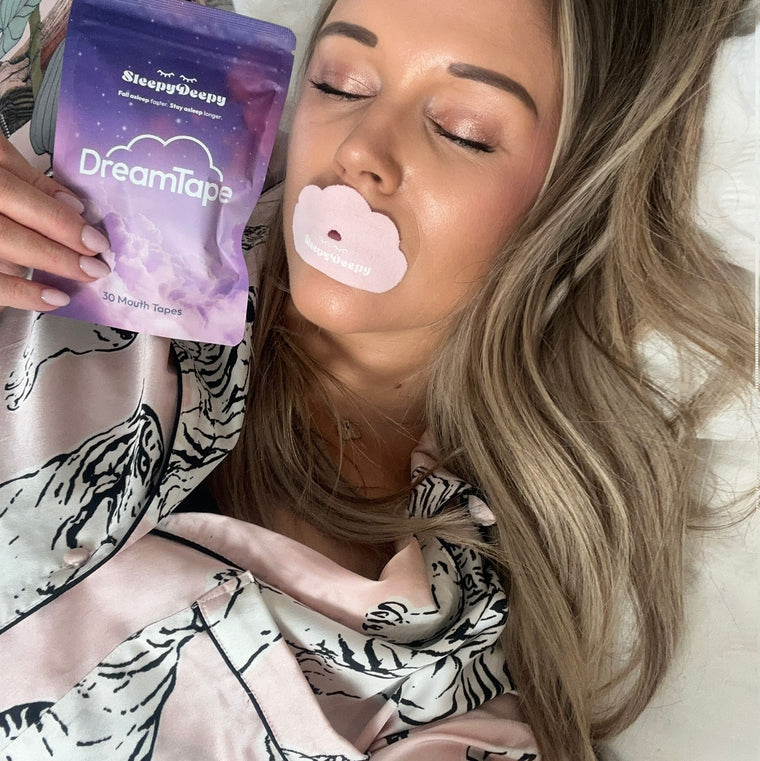
If your snoring is mostly about a blocked or narrow nose, a simpler tool may help more, or help alongside a MAD. Nasal strips gently open the nostrils, and mouth tape encourages nose breathing rather than mouth breathing. These tackle different parts of the same problem, so it is worth understanding what causes snoring before you spend on anything. Our honest take on mouth tape for snoring is a good place to start. If you want to try tape, our honest round-up of the best mouth tape for sleeping UK shoppers can buy explains what to look for.
CPAP for the serious end
CPAP is a machine that keeps the airway open with a steady flow of air, and it is the gold-standard treatment for moderate to severe obstructive sleep apnoea. A MAD is generally offered for milder cases, or when someone genuinely cannot tolerate CPAP. If you think apnoea might be part of your picture, read our guide to obstructive sleep apnoea and how to get tested in the UK, and see our honest answer on mouth tape and sleep apnoea.
When to see a dentist or GP
If you are considering a MAD, a dentist is the right person to fit one and to check your teeth and jaw can take it. If you snore heavily, gasp or seem to stop breathing in the night, or feel exhausted no matter how long you sleep, see your GP first - those can be signs of sleep apnoea, which needs a proper diagnosis rather than a device bought online.
Frequently asked questions
Does a mandibular advancement device really stop snoring?
It can reduce it a great deal for many people, particularly when snoring comes from the tongue and soft tissue at the back of the throat. It is not guaranteed for everyone, and results are usually best with a well-fitted device rather than a bulky one-size mould.
Are boil-and-bite MADs any good, or should I go custom?
Boil-and-bite versions are a low-cost way to test whether the idea suits you at all. If you get on with it and want something comfortable for the long run, a custom device from a dentist fits better, lasts longer and can be adjusted properly.
Can I use a MAD for sleep apnoea?
For mild to moderate obstructive sleep apnoea, a MAD is a recognised option, especially if CPAP does not suit you. For severe apnoea it is usually not enough on its own. Either way, get assessed first so you know what you are actually treating.
Do MADs have side effects?
Some people notice jaw or tooth soreness, extra saliva or a dry mouth, particularly in the first couple of weeks. Minor aches often settle. Anything that lingers, or any worry about your teeth shifting, is worth raising with your dentist.
Can I combine a MAD with mouth tape or nasal strips?
Often, yes. If part of your problem is nose breathing, pairing a MAD with nasal strips or gentle mouth tape can help, since they address different bits of the airway. Introduce one change at a time so you can tell what is actually working.

The bottom line
A mandibular advancement device is a simple, well-established way to keep the airway a little more open by holding the lower jaw forward. It is not a cure, and it will not suit everyone, but for snoring and for milder sleep apnoea it can be the difference between a restless night and a quiet one. Try a low-cost version to see if the idea agrees with you, go custom through a dentist if you want to stick with it, and see your GP if your snoring comes with gasping, choking or daytime exhaustion.
If your snoring is more about your nose than your jaw, a few gentler tools are worth a go first.
Try DreamFlow Nasal Strips - gently open the nostrils to make nose breathing easier.
Try DreamTape Mouth Tape - encourages calm nose breathing so there is less to vibrate.
Try DreamPlugs Ear Plugs - for the partner who needs to sleep through it tonight.
Rest easy. Breathe easy. SleepyDeepy.