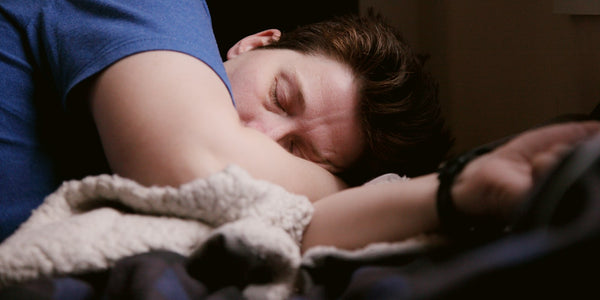

You know the feeling. The alarm goes off and it lands like a physical blow. You move through the morning half-present, reaching for a third coffee before ten, snapping at someone who did not deserve it. One rough night you can shrug off. But when short nights stack up, week after week, something starts to give - and it is rarely just tiredness.

Sleep deprivation is one of the most common health problems in the country, and one of the most quietly damaging. The good news is that it is also one of the most reversible, once you understand what is actually happening and stop treating recovery as something you can bolt on at the weekend. Here is what sleep deprivation does, how to spot it, and how to climb back out.
What sleep deprivation actually is
Sleep deprivation simply means you are not getting the sleep your body needs, either in quantity or quality. It comes in two forms, and they behave very differently.
Acute deprivation
This is the short, sharp version - a single bad night, a run of early flights, a newborn keeping you up. It hits hard the next day but resolves quickly once you get a proper night's rest. Your body is built to absorb the occasional hit.
Chronic deprivation
This is the one that does the real damage. It is the slow, ongoing shortfall of sleeping six hours when you need eight, night after night, for months or years. It creeps up so gradually that many people forget what being properly rested even feels like, and start treating a low-grade fog as their normal baseline. It is worth being honest with yourself about how much sleep you really need, because most people underestimate it.
The signs you are running short
Sleep deprivation shows up in more places than a yawn. It touches almost every system you have.
Cognitive signs
Poor concentration, a memory that keeps dropping things, slow decisions, and that heavy mental fog where simple tasks feel like wading through treacle. Your reaction times slow, which is why driving tired is genuinely dangerous. If you are rereading the same sentence three times, that is your brain flagging a shortfall.
Mood signs
Irritability, a short fuse, low motivation and a general flatness are classic markers. Sleep and emotional regulation are deeply linked, so a tired brain overreacts to small things and struggles to find the good in anything. Anxiety often climbs too - and because stress and anxiety sabotage your sleep in return, it becomes a loop that feeds itself.
Physical signs
Constant fatigue, frequent headaches, a weaker immune system that leaves you catching every cold going, more sugar and caffeine cravings, and a slump in coordination. If you are noticing the signs of missing out on deep sleep specifically, that is often where the physical toll bites hardest, because deep sleep is when the body does most of its repair.
Appearance signs
Dark circles, a dull complexion, puffiness around the eyes. Skin repairs itself overnight, so when sleep is short that repair does not happen, and it shows on your face before you have even had your first coffee.
The health effects, short and long term
In the short term, the effects are mostly the ones above - foggy, moody, run-down. Unpleasant, but recoverable. The real concern is what happens when the shortfall becomes a permanent fixture.
Chronic sleep deprivation is linked to raised risk of heart disease and high blood pressure, weight gain and type 2 diabetes through disrupted appetite hormones, a weakened immune response, and poorer mental health. It also accelerates the everyday wear that leaves you feeling older than you are. None of this is meant to frighten you - it is meant to make the point that sleep is not a luxury you earn once the important things are done. It is one of the important things.
The truth about sleep debt
You have probably heard the idea that you can bank sleep debt through the week and pay it off with a long lie-in on Saturday. It is a comforting idea, and it is only half true.
You can recover from acute, short-term debt. A couple of good nights after a rough patch genuinely helps, and your body will take what it can get. But you cannot fully repay months of chronic deprivation with one weekend, and long lie-ins carry their own cost: sleeping until midday on Saturday shifts your body clock, so Sunday night's sleep suffers and Monday feels like jet lag. Chasing debt this way often just keeps the cycle spinning. Steady, adequate sleep most nights beats a pattern of deprivation and catch-up every time.
How to recover properly
Recovery is less about one heroic sleep and more about consistently giving your body the conditions to rest.
Prioritise consistency over catch-up
Go to bed and get up at roughly the same time every day, weekends included, so your body clock stabilises. If your rhythm is a mess, it is worth learning how to reset your body clock deliberately rather than hoping it sorts itself out.
Add sleep back gradually
Rather than trying to sleep for eleven hours in one go, aim to go to bed 30 to 60 minutes earlier each night for a couple of weeks. Small, sustainable additions rebuild your reserves without wrecking your schedule.
Protect the sleep you do get
When time is short, quality matters even more. Tighten up the basics with a few solid sleep hygiene habits: a dark, cool, quiet room, no screens right before bed, and a proper wind-down. If a busy mind or a difficult stretch has tipped you into genuine insomnia, treating that directly is part of recovery too.
Prevention, so it does not come back
The best recovery is not needing one. Guard your bedtime the way you would guard an early meeting. Watch caffeine after midday, keep alcohol modest, get daylight and movement into your day, and treat the occasional short night as the exception rather than the rule. Sleep deprivation almost never arrives suddenly - it accumulates through small compromises, so the fix is to stop making them.
Frequently asked questions
How long does it take to recover from sleep deprivation?
A single bad night usually clears with one or two good nights. Chronic, months-long deprivation takes weeks of consistent, adequate sleep to genuinely reverse - there is no single night that undoes it.
Can you catch up on lost sleep at the weekend?
Partly. A weekend lie-in helps with short-term debt, but it cannot repay long-term deprivation, and sleeping very late shifts your body clock, which makes the following night worse. Consistency beats catch-up.
What are the first signs of sleep deprivation?
Usually poor concentration, irritability and daytime fatigue, followed by memory lapses, low mood and stronger cravings for sugar and caffeine. Dark circles and dull skin tend to show up early too.
Is sleep deprivation dangerous?
Short-term, it mainly makes you foggy and irritable, though tired driving is a real hazard. Chronic deprivation raises the risk of heart disease, high blood pressure, diabetes and poorer mental health, so it is worth taking seriously.
How much sleep do I actually need to avoid it?
Most adults need seven to nine hours. The right figure is the amount that leaves you alert without an alarm and without relying on caffeine to function - which for many people is more than they currently allow themselves.

The bottom line
Sleep deprivation is common, it is quietly costly, and it is largely reversible. Learn to spot the signs early, be honest about whether you are chronically short rather than just occasionally tired, and treat recovery as a steady return to consistent, adequate sleep rather than a weekend rescue mission. Protect your nights and almost everything else gets easier.
Try DreamMask - a blackout sleep mask to protect the deep, restorative sleep your recovery depends on.
Try DreamPlugs - soft earplugs so noise stops fragmenting the sleep you are trying to rebuild.
Try DreamMist - a lavender pillow spray to anchor a consistent wind-down and fall asleep more easily.
Sleep well. Sleep properly. SleepyDeepy.