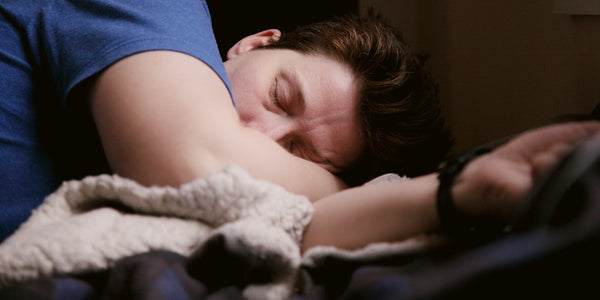



If you have ever come off a run of night shifts feeling as though your body has been through a wash cycle, you are not imagining it. Working while the rest of the world sleeps asks a great deal of you, and a large new analysis suggests the heart may quietly register some of that strain. Frequent night-shift work was linked to small differences in the structure and function of the heart in more than 42,000 adults.
Before anyone on a late rota starts to worry, the differences were subtle, and the study cannot show that night work damages the heart. What it does do is give the recovery side of shift work a bit more weight, and that is where better sleep comes in.
The short answer. In heart scans of more than 42,000 UK adults, people who often worked night shifts had, on average, slightly thicker and smaller heart chambers than those who did not. These are small, population-level differences, not a diagnosis and not a prediction that any individual night worker will become unwell.
What the study actually found
The researchers used UK Biobank data from more than 42,000 adults who had cardiac MRI scans. Their average age was 52, and 1,322 of them reported frequently working night shifts. Anyone who already had cardiovascular disease at the start was left out, so the comparison was between otherwise healthy day workers and night workers.
On the scans, frequent night workers tended to have heart walls that were slightly thicker relative to the size of the main pumping chamber, along with somewhat smaller chambers, and one subtle difference in how the heart muscle contracted. Reassuringly, there was no meaningful difference in ejection fraction, the standard measure of how well the heart pumps overall. The team also looked at blood markers and found some exploratory differences, including lower levels of the omega-3 fat DHA and small shifts in cholesterol-linked and inflammation markers.
The honest caveats matter here, and the authors are clear about them. This was an observational study published in European Heart Journal - Cardiovascular Imaging, so it can show a link but not prove that night shifts cause the changes. It was a single snapshot in time, so it cannot tell us whether the differences grow with years of night work, or shrink if someone moves back to days. The blood-marker findings are described as exploratory. And UK Biobank volunteers tend to be healthier and less diverse than the population as a whole, which limits how far the results stretch. In plain terms: interesting, worth knowing, not a cause for alarm.
What it means for your sleep
Millions of people in the UK work nights, from nurses and carers to drivers, warehouse staff and emergency crews. Night work pulls against the body clock, the internal timer that expects you to be awake in daylight and asleep in the dark. When you fight that rhythm night after night, sleep tends to be shorter and lighter, and the knock-on effects reach far beyond feeling tired. A study like this is a reminder that looking after your sleep around shifts is not a luxury, it is part of looking after the rest of you.
If you work nights, the single most useful thing you can do is protect your daytime sleep as fiercely as you would protect a night's sleep. That means a bedroom that is genuinely dark, quiet and cool, so your body gets the strongest possible signal that it is time to rest even though the sun is up. Our guide to the ideal bedroom setup for better sleep walks through the practical side of that.
It also helps to keep your pattern as steady as you reasonably can, rather than flipping wildly between days and nights whenever you are off. The body clock copes far better with gradual change than sudden jumps, which is the same reason the twice-yearly clock change throws people out, as we cover in how to handle the clock change. And if you are sleeping plenty of hours but still waking up wrecked, it is worth working out why, because broken daytime sleep is common on shifts; our piece on why you wake up tired even after eight hours is a good place to start.
None of this replaces proper support. If you are a shift worker and you have persistent exhaustion, chest symptoms or anything that worries you, speak to your GP. The NHS has guidance for night workers, and your occupational health team at work can help too. The heart differences in this study were small and averaged across thousands of people, but your own health is worth a real conversation rather than a guess from a headline.
A couple of quick questions
Does this mean night shifts will give me heart problems? No. The study found small average differences in heart structure, not disease, and it could not show that night work causes them. Plenty of night workers are perfectly healthy. It simply adds to the case for protecting your sleep and your general health if you work nights.
I have moved back to days. Have I undone it? The study cannot answer that, because it only looked at people once. It did not follow anyone who changed their shifts. What we can say is that steady, good-quality sleep is good for you whatever your history, so it is always worth getting right.
This article is general information, not medical advice. If your symptoms are persistent or severe, or you are unsure what is causing them, please speak to your GP. SleepyDeepy products are designed to support your sleep and are not a treatment for any medical condition.
Edited by Scott McCulloch, SleepyDeepy co-founder. Read how we research and check our articles.
Sleep well, and look after yourself on those long nights. SleepyDeepy.