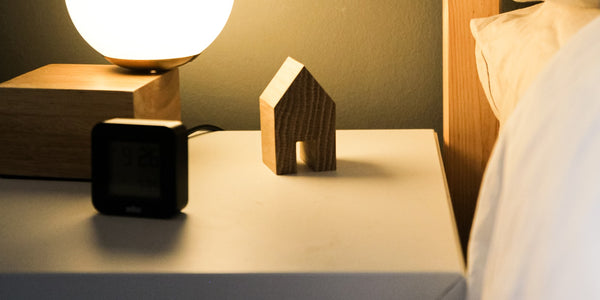
Most of us pour a lot of effort into how we sleep and almost none into where we sleep. We tweak our bedtime, cut the late coffee, try the breathing apps - and then lie down in a room that is too warm, too bright and buzzing with the low hum of standby lights. Your bedroom is not just a backdrop to sleep. It is one of the biggest levers you have.

The good news is that a proper sleep-friendly bedroom is not expensive or complicated. It comes down to a handful of things your body is quietly reacting to all night: light, temperature, sound, air and clutter. Get those right and you make it far easier for your brain to switch off and stay off. Here is how to set your room up so it does the hard work for you.
Get the light right
Darkness is the signal your body clock is waiting for. Light is the single most powerful cue telling your brain whether it is time to be awake or asleep. Even small amounts of light at night can suppress melatonin, the hormone that helps you drift off and stay under. This is why a room that feels "dark enough" often is not. Streetlights leaking through curtains, a glowing charger, the standby dot on the telly - your eyes register all of it, even through closed lids.
Block it at the source
Start with the windows. Blackout curtains or a blind help enormously, especially through the long light evenings and early mornings of a British summer. If new curtains are not an option, a good sleep mask does the same job for a fraction of the cost and travels with you. It is worth understanding why this matters so much, which we cover in our guide to melatonin, light and darkness.
Mind the screens
The last hour before bed sets the tone. Phones, tablets and laptops throw out bright, blue-heavy light right when your brain should be winding down. Dim the lights, switch devices to night mode, and ideally put the phone down altogether before you get into bed. If you want the full picture, here is how screens affect your sleep and what to do about it.
Cool the room down
Your body needs to lose heat to fall asleep. Core temperature naturally dips as you drift off, and a cool room helps that happen. Most sleep researchers point to somewhere around 16 to 18 degrees Celsius as the sweet spot for a bedroom - cooler than most people keep their living rooms. If you often wake up too warm and clammy, the room is probably the culprit.
Small changes that help
Crack a window for airflow, keep bedding breathable, and avoid piling on synthetic layers that trap heat. A warm bath or shower an hour before bed sounds counterintuitive, but it actually helps you cool down afterwards, nudging that core temperature dip along. During heatwaves the rules shift a little, and we have a full UK summer guide to sleeping in hot weather if that is your struggle.
Quieten things down
Noise fragments sleep even when it does not fully wake you. A car door, a snoring partner, a creaking house - these can pull you out of deep sleep into lighter stages without you ever remembering it in the morning. You simply wake up feeling like you barely slept. Consistency of sound matters more than volume, which is why sudden noises are so disruptive.
Mask it or block it
You have two options: block the noise or drown it out. Soft ear plugs are the simplest fix for a partner who snores or a street that never quite goes quiet. Alternatively, a steady background sound - a fan, white noise, gentle rain - smooths over the sudden peaks that jolt you awake. We dug into the best options in our piece on the best sleep sounds.
Sort the air and the scent
Stuffy air makes for restless nights. A bedroom that has been closed up all day builds up stale air and, in some homes, allergens like dust and pollen that irritate your airways and disrupt breathing. Airing the room out before bed makes a real, noticeable difference, particularly for anyone prone to congestion.
Build a calming cue
Scent is closely tied to relaxation, and a familiar bedtime smell can become a signal in its own right. A light mist of lavender or chamomile on your pillow will not knock you out on its own, but used consistently it becomes part of the wind-down routine your brain learns to associate with sleep. That association is the real value, and it slots neatly into a bedtime routine that actually works.
Clear the clutter and reclaim the bed
Your brain reads your surroundings. A room stacked with laundry, work bags and half-finished jobs keeps a low-level sense of "things to do" ticking over when you should be switching off. You do not need a minimalist showroom, but a tidy, calm space genuinely helps your mind settle.
Keep the bed for sleep
Try to reserve the bed for sleep and intimacy rather than working, scrolling or eating. Over time this trains your brain to associate lying down with sleeping rather than being wide awake and busy. It is a small habit that pays off, especially if you tend to lie there with your mind racing.
Frequently asked questions
What is the ideal bedroom temperature for sleep?
Most evidence points to around 16 to 18 degrees Celsius. It feels slightly cool when you get in, but it supports the natural drop in body temperature that helps you fall and stay asleep.
Does my bedroom really need to be pitch black?
The darker the better. Even dim light can suppress melatonin and nudge you into lighter sleep. Blackout curtains or a quality sleep mask are the easiest ways to get there.
Should I sleep with a window open?
If it is safe and quiet enough, yes. Fresh airflow keeps the air from going stale and helps regulate temperature. If noise is an issue, ear plugs let you keep the window open without the disruption.
Do pillow sprays actually work?
Not as a sedative, but as a cue. Used consistently as part of a wind-down routine, a calming scent helps signal to your brain that it is time for sleep, which supports relaxation.
What is the one change worth making first?
Light. It is the strongest signal your body clock responds to, so making the room properly dark tends to give the fastest, most noticeable improvement.
The bottom line
You do not need to renovate your bedroom to sleep better. Dark, cool, quiet, well-aired and tidy - those five things cover most of what actually matters. Change one at a time, notice what helps, and build from there. A room that is set up for sleep quietly does the work every single night, long after the effort of setting it up is forgotten.

Try DreamMask - total blackout in seconds, wherever you sleep.
Try DreamPlugs - soft, comfortable ear plugs that take the edge off noise.
Try DreamMist - a calming lavender and chamomile cue for your wind-down.
Sleep well. Sleep properly. SleepyDeepy.