There is a particular kind of tiredness that comes from a good dance. Not the wired, jittery buzz of a stressful day, but a warm, loose, well-earned fatigue that seems to carry you straight to bed. Whether it is a class, a kitchen-disco with the kids, or an hour of moving to music on your own, dance has a way of leaving you both lighter and sleepier at once.

That is not a coincidence. Dance is one of the most joyful forms of exercise there is for sleep, and it works on several fronts at the same time. But there is an honest catch - the timing and the setting can flip it from a sleep aid into a sleep thief. Here is how dance helps you rest, and when it quietly works against you.
Why dance helps you sleep
It builds real cardio fatigue
Dancing is proper exercise, even when it does not feel like a workout. An hour of moving to music raises your heart rate, works your muscles and burns through energy the same way a run or a swim does. That physical fatigue builds what sleep scientists call sleep pressure - the steady drive to sleep that accumulates through the day - so you fall asleep faster and drop into deeper sleep once you do. It is the same reason exercise reliably improves sleep, just wrapped in something that feels like fun rather than effort.
It lifts your mood and melts stress
Much of what keeps us awake is in our heads, not our legs. Dance is unusually good at clearing it. Moving to music releases the feel-good chemistry that lifts mood, and the simple act of focusing on rhythm and movement gives a racing mind somewhere else to be. A stressful day that would otherwise follow you to bed gets discharged on the dance floor instead, so you arrive at bedtime calmer rather than churning. Given how much stress and a busy head sabotage sleep, that emotional reset is half the benefit.
It plugs into the two-way loop with sleep
Sleep and movement feed each other. Exercise helps you sleep, and good sleep gives you the energy and coordination to move well the next day - a genuine two-way loop. It is the same relationship we describe in running and sleep, which really are the same problem: fix one and the other tends to improve too. Dance sits neatly inside that loop, and because people actually enjoy it, they keep doing it - which is what makes the sleep benefit stick.
When dance works against your sleep
Here is the honest catch. Everything above is true of dancing earlier in the day or evening. Late-night dancing and clubbing are a different story, and they tend to work against sleep rather than for it.
The heart-racing timing problem
Your body needs to wind down before it can sleep, and dancing does the opposite. A raised heart rate and body temperature are exactly what you want during exercise, but they take time to come back down afterwards. Dance hard until midnight and your body is still revved up when you are trying to fall asleep, holding off the drop in temperature and heart rate that sleep depends on. The exercise was good for you - the timing was not.
Bright lights and a scrambled body clock
Late venues are flooded with exactly the light your body should not be seeing. Bright, flashing lights late at night tell your body clock it is still daytime, suppressing the melatonin that should be rising to send you to sleep. That is a direct hit to your circadian rhythm, and it is why a late night out can leave your sleep off-kilter for a couple of days afterwards, not just that night.
The drinks that come with it
Dancing and drinking usually arrive together, and the drinks are the real problem. A few glasses might feel like they help you drop off, but alcohol and caffeine quietly ruin your sleep even when you get your eight hours - alcohol fragments the back half of the night and caffeine from an evening energy drink keeps you wired long after you want to be. The dancing was doing you good; the round of drinks undid most of it.
How to get the sleep benefit from dance
Move earlier when you can
Aim to finish energetic dancing at least a couple of hours before bed. That gives your heart rate and body temperature time to settle, so the physical fatigue turns into easy sleep rather than a wired, restless night. A late-afternoon or early-evening class is close to ideal.
Wind down properly after a late one
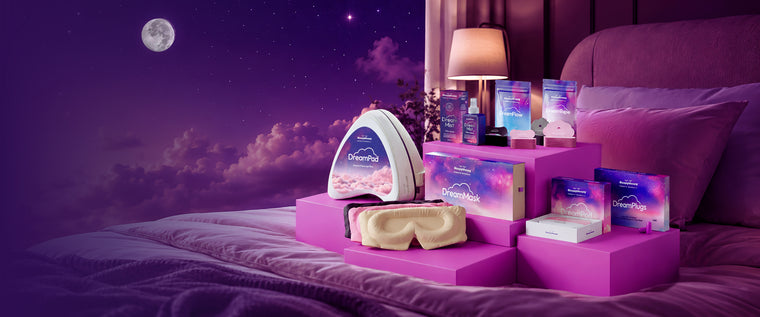
If you have been out late, give your body extra help coming down. Dim the lights the moment you are home, keep screens away, and lean on a familiar scent cue to tell your body the night is over. A few mists of DreamMist lavender pillow spray gives your wind-down a consistent signal even when the evening has run long and your body is still buzzing.
Protect the sleep you do get
After a late night, the sleep you manage matters more than usual. Blocking out the light you have already had too much of helps your body finally switch over - a DreamMask blackout eye mask holds the darkness so a late finish does not turn into an early, light-woken start. And on the recovery day after a heavy session, gentle movement and a little downtime help far more than lying still and stewing.
Frequently asked questions
Does dancing help you sleep better?
Yes, when it is done earlier in the day. Dancing builds cardio fatigue and sleep pressure like any exercise, and it lifts mood and clears stress on top of that, so you fall asleep faster and sleep more deeply. The benefit fades if you dance hard right up until bedtime, when the raised heart rate works against you.
Why can't I sleep after a night out dancing?
Several things stack up. Your heart rate and body temperature are still raised from the exercise, the bright venue lights have suppressed your melatonin, and any alcohol or caffeine is fragmenting your sleep. Together they hold off the wind-down your body needs, which is why a good night out often makes for a poor night's sleep.
Is dancing as good as other exercise for sleep?
For sleep purposes, yes - it raises your heart rate and builds the same sleep pressure that running or swimming does. Its extra advantage is enjoyment: people stick with things they like, so the sleep benefit of dance tends to be more consistent over time than exercise you have to force yourself into.
How long before bed should I stop dancing?
Aim to finish anything energetic at least two hours before bed, so your heart rate and body temperature have time to come back down. Gentle, relaxed movement closer to bedtime is fine - it is the hard, heart-pounding sessions that need a buffer before sleep.
Does dancing reduce stress enough to help sleep?
For many people, noticeably. Moving to music releases mood-lifting chemistry and gives a busy mind something to focus on other than its worries, so you arrive at bedtime calmer. Since stress and a racing head are among the most common reasons people cannot sleep, that emotional reset is a real part of why dance helps.

The bottom line
Dance is one of the most joyful ways to sleep better - it builds cardio fatigue, lifts your mood and melts the stress that would otherwise keep you awake, all wrapped in something you actually enjoy. The catch is timing and setting: late-night dancing brings bright lights, alcohol and a racing heart at exactly the wrong hour. Move earlier when you can, wind down properly after a late one, and protect the sleep you get - and dance becomes one of the easiest wins for your nights.
Try DreamMist - lavender pillow spray to give your wind-down a consistent cue, even after a late one.
Try DreamMask - blackout eye mask so a late finish does not turn into a light-woken early start.
Try DreamMat - acupressure mat for a few minutes of wind-down when your body is still buzzing.
Sleep well. Sleep properly. SleepyDeepy.