Heat then cold is having a moment. Sauna sessions, cold showers, ice baths, the lake at dawn - half your feed is someone stepping out of freezing water looking suspiciously pleased with themselves, claiming the best sleep of their life. Some of that is real. Some of it, done at the wrong time of day, is quietly wrecking the very sleep it promises to fix.
Temperature is one of the most powerful levers your body uses to fall asleep, which is exactly why heat and cold can help so much - and backfire so badly - depending on how you use them. Here is what a sauna and a cold plunge actually do to your sleep, and the timing rules that decide whether they help or hurt.

The temperature connection
The short answer. To fall asleep, your core body temperature has to drop by around a degree. It is one of the main switches your body uses to begin sleep, tied closely to the evening rise in melatonin. Anything that helps that drop happen smoothly tends to help sleep; anything that spikes your alertness and keeps your core warm and your heart rate up tends to delay it. Sauna and cold water both pull hard on this lever - just in different directions, and with very different timing.
How a sauna helps your sleep
A sauna works for sleep in two ways, and neither is the one most people assume.
The cool-down afterwards. It is not the heat itself that helps - it is the rebound. A sauna heats you up, then when you come out your body works hard to cool back down, and your core temperature drops below where it started. That post-sauna cooling lines up beautifully with the temperature drop your body wants for sleep. It is the same mechanism that makes an evening swim or a warm shower work, just turned up.
The wind-down. Sitting still in the heat, breathing slowly, doing nothing, is unusually good at shifting your nervous system toward the calm, parasympathetic state that sleep depends on. It is forced relaxation, and a busy mind tends to find it settling in a way it struggles to manufacture on the sofa.
The timing that matters: leave a gap. A sauna an hour or two before bed gives the cool-down time to land. Step straight from the heat into bed and you are still too warm to drop off - give your core the chance to fall.
How cold water helps - and when it backfires
Cold-water immersion is the one people get wrong most often for sleep. It genuinely has benefits - it lifts mood, sharpens focus, and aids recovery after training - but the way it works makes timing everything.
Why it energises. Cold immersion spikes adrenaline and a surge of noradrenaline, and raises cortisol. That is precisely why it feels so good and leaves you buzzing and alert - and precisely why it is a poor idea late in the evening. Those are wake-up chemicals. A cold plunge at 9pm is closer to a double espresso than a sedative.
When it helps sleep. Done in the morning or early afternoon, that same cold exposure works for your sleep - it reinforces a strong, early alerting signal that helps anchor your body clock, so the rise and fall of alertness across the day is sharper and you feel genuinely tired at night. The benefit shows up hours later, in a better night - not in the moment.
The recovery angle. If you train hard, cold water can ease the muscle soreness and inflammation that would otherwise disturb your sleep. That is a real win - just take the plunge earlier in the day, not as a pre-bed ritual.
The contrast protocol (sauna then cold)
The popular move is to alternate - hot sauna, cold plunge, repeat. For sleep, the order and timing matter more than the ritual. If you are doing contrast work in the evening, finish on the warm side, not the cold, so you leave with your body cooling down rather than fired up on adrenaline. If you want the full hot-cold-hot-cold session, do it earlier in the day and let the evening be calm. Treat the contrast as a daytime tool and a gentle warm cool-down as the evening one.

What actually helps
Time it right
Sauna and warm exposure: evening is fine, ideally finishing an hour or two before bed. Cold plunges and ice baths: morning or early afternoon. The single biggest mistake is a hard cold exposure late at night.
Finish warm in the evening
If you are using both close to bedtime, end on heat and let the natural cool-down carry you toward sleep. Ending on cold leaves you alert exactly when you do not want to be.
Do not undo it with a scalding shower
After an evening sauna, a punishingly hot shower right before bed fights the cool-down you are after. Lukewarm is fine; let your core fall.
Hydrate
Saunas dehydrate you, and dehydration makes for restless, broken sleep. Replace fluids in the evening - just not so much that you are up at 3am for other reasons.
Keep your wind-down
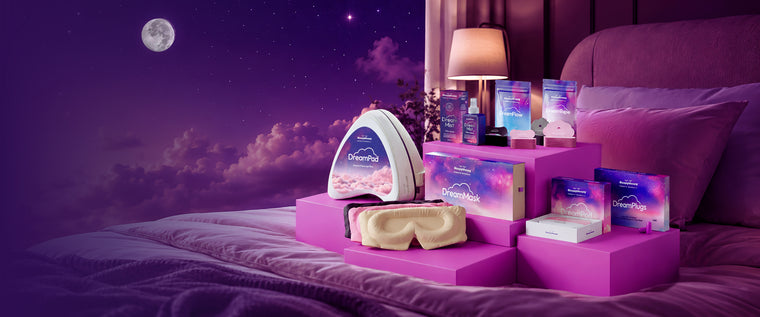
Temperature training is a tool, not a replacement for a routine. Hold onto the basics: lights low, screens down, and a consistent scent cue. A few mists of DreamMist lavender pillow spray anchors the calm of a post-sauna evening to your pillow. A few minutes on a DreamMat acupressure mat afterwards keeps you in the same relaxed, parasympathetic state while easing any post-training tension.
When to be cautious
Extreme heat and cold are a real physical stress. If you have a heart condition, high or low blood pressure, are pregnant, or take medication that affects your circulation or blood pressure, check with your GP before starting sauna or cold-water work. Never use a sauna after alcohol, and never cold-plunge alone in open water. If temperature training leaves you wired and unable to sleep night after night, that is a sign your timing or dose is off rather than a reason to push harder.
Frequently asked questions
Is a sauna good for sleep?
Yes, mainly because of the cool-down afterwards. The heat raises your core temperature, and the drop that follows when you come out lines up with the temperature fall your body uses to fall asleep. Leave an hour or two between the sauna and bed so the cooling has time to work.
Does a cold plunge help or hurt sleep?
Both, depending on timing. In the morning or early afternoon it sharpens your body clock and helps you feel tired at night. Late in the evening it spikes adrenaline and cortisol and tends to keep you awake. Keep the cold for earlier in the day.
Should I do cold water before bed?
Generally no. Cold immersion is alerting, which is the opposite of what you want near bedtime. If you train in the evening and want the recovery benefit, keep the exposure brief and finish warm, or move it earlier.
Is a hot bath as good as a sauna for sleep?
For sleep, almost - the mechanism is the same. A warm bath or shower an hour or two before bed brings blood to the skin and lets your core cool afterwards, which is the drop you want. The sauna is simply a stronger version of the same effect.
Why do I sleep so well after a sauna?
Three things stack up: the post-sauna cool-down nudges your core temperature down, the stillness and slow breathing shift you toward the calmer parasympathetic state, and you usually feel genuinely, pleasantly tired afterwards. Together they make dropping off easier.
The bottom line
Heat and cold are powerful sleep tools, and the difference between help and harm is almost entirely timing. A sauna works through the cool-down that follows it, so use it in the evening and leave a gap before bed. Cold water is alerting, so keep plunges for the morning where they sharpen your body clock and pay off as deeper sleep that night. If you are doing both close to bedtime, finish warm and let your body fall toward sleep. Get the timing right and temperature training becomes one of the most enjoyable sleep tools you have.
Try DreamMist - lavender pillow spray to anchor a calm, post-sauna wind-down.
Try DreamMat - acupressure mat to ease post-training tension and keep you relaxed before bed.
Try DreamMask - blackout sleep mask to protect the deep sleep your recovery depends on.
Sleep well. Sleep properly. SleepyDeepy.