
 Let’s be honest - getting decent sleep as a parent can be challenging, to put it mildly. It is one of the greatest feelings in the world knowing that, to your little one, YOUR bed is the safest place on earth. There is nowhere else they would rather be - and for that, you're blessed!
But - you’re constantly managing schedules, emotions, snacks, laundry piles, birthday parties, and bedtime battles. So when you finally hit the pillow at night, you’re often running on adrenaline, low battery mode, or both.
But here’s the good news: you don’t need a perfect routine, a silent house, or three hours of uninterrupted silence to sleep better. You just need some practical, flexible, and slightly rebellious strategies - designed for real parents living real lives.
Here’s how we’re helping tired mums, dads, carers and co-pilots get the rest they deserve.
1. Ditch the Pressure of a “Perfect Night”
You know what ruins sleep faster than a toddler with a kazoo? Perfectionism.
Don’t beat yourself up if your bedtime ritual doesn’t look like a Pinterest board. Some nights you’ll fall asleep with Peppa Pig still echoing in your ears. That’s OK. Your goal isn’t perfect sleep - it’s better sleep.
Start there. Progress, not pressure.
2. Claim Your Wind-Down Window (Even If It’s 10 Minutes)
You might not have an hour to journal, stretch and meditate while sipping chamomile under moonlight. But even a small signal to your brain that the day is ending can make a difference.
Ideas for your micro wind-down:
Put your phone away and take 10 slow breaths
Sip something warm (try DreamDrops — they’re like calm in gummy form)
Dim the lights and listen to a calming playlist
Lay flat and do nothing - honestly, that counts too
Your nervous system responds to repetition more than duration.
3. Make Friends with Background Noise
When your house is finally quiet... the silence can feel too loud. Enter: white, brown, or pink noise.
The DreamPod Pillow Speaker plays soothing audio under your pillow using bone conduction - so there are no wires, earbuds, or noise-sensitive partners to worry about. You hear it. They don’t.
It helps mask outside noise, calm racing thoughts, and create a gentle cocoon for your brain. You can find so many incredible soundscapes on YouTube.

4. Try Mouth Taping (Yes, Really)
Sounds weird, works wonders.
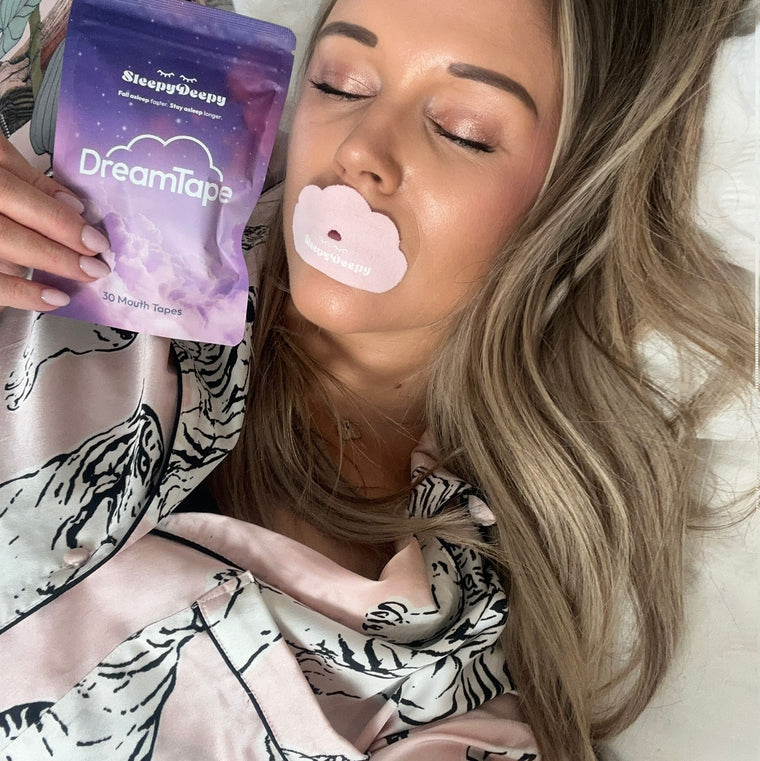
Mouth breathing at night can cause dry mouth, disrupted sleep, and even snoring. DreamTape is a gentle, hypoallergenic mouth tape that promotes nasal breathing - helping you sleep deeper and wake up feeling fresher.
It’s especially helpful for tired parents who wake up often and want to maximise the quality of whatever sleep they do get.
5. Give Yourself a Bedtime (and Don’t Scroll Past It)
We know - once the kids are asleep, that late-night window feels sacred. It’s the only quiet time you get. But if your “me time” is mostly spent doomscrolling or watching Netflix until 1am, your body isn’t actually resting. It’s just... distracting itself.
Set a gentle bedtime boundary for yourself. 10:45pm with a 10-minute buffer? That’s progress.
(And if you're reading this at 12:12am in bed – hi. Go to sleep soon.)
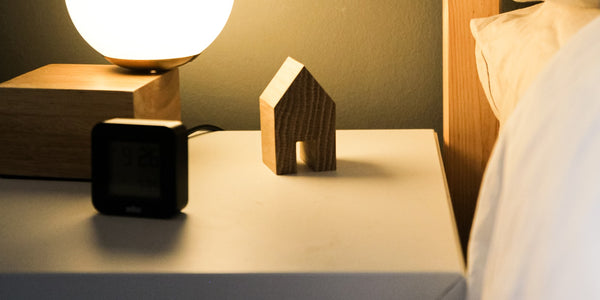
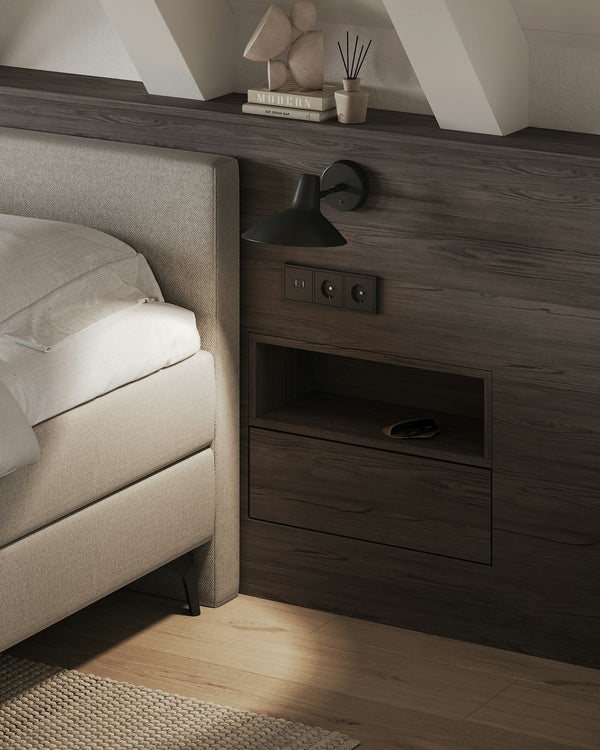
6. Turn Your Bedroom into a Sleep Cave
We’re not saying banish all signs of child life from your bedroom - but your sleep environment matters more than you think.
Try this:
Keep the room cool and dark
Use a blackout DreamMask to block light, even if your baby monitor glows like a lighthouse
Keep toys out of your bed (unless they’re yours, we don’t judge)
Small boundaries create big mental shifts - and a pillow spray can help ensure your bedroom feels like the sleep sanctuary it should be.
7. Don’t Try to “Win the Morning” if You’re Losing the Night
You’ve probably seen the advice: 5am wake-ups! Meditate! Cold plunge! Run 10k before breakfast!
But if your kid was up at 2:30am with a nightmare and again at 4:45 for a snack... the last thing your body needs is a productivity bootcamp.
Sleep is the win. Prioritise that. The 5am club can wait.
8. Embrace the Nap (Even Tiny Ones)
If your little one still naps and you can lie down too — do it. Even 20 minutes of horizontal stillness can give your brain and body a reset.
And if a nap’s not possible? Try a 10-minute lie-down with no stimulation. Deep breathing, eyes closed, no guilt. It’s allowed.
9. Accept That Sleep Might Look Different (For Now)
Maybe your sleep is segmented. Maybe you co-sleep. Maybe you don’t fall asleep until you’ve checked the locks twice and stared at the ceiling for 30 minutes.
Whatever it looks like — it’s OK. Sleep will evolve as your family does. You don’t need to get it perfect to get enough.
10. Use Sleep Tools That Make Your Life Easier
Here’s what our team (parents included) swear by:
DreamDrops to help you unwind quickly
DreamTape for better breathing and less waking
DreamPlugs for total silence
DreamPod for gentle sleep sounds without headphones
You don’t have to do this alone – we’ve designed tools that do some of the heavy lifting for you.

Team SleepyDeepy Final Thought: You Deserve Deep Rest Too
Parenthood is beautiful, chaotic, exhausting – and often selfless. But your sleep isn’t a luxury. It’s a need.
A well-rested you is more patient, more present, and more resilient. Not because you’re perfect – but because you’re rested enough to handle what the day throws at you.
So if you’re reading this as a tired parent: we see you.
We made SleepyDeepy for you.